
RF resources
NetPoint knowledge base
RF fundamentals to help you understand wireless backhaul. What causes interference on a PtP link? Why use slant polarization? How do you keep water out of your antennas?
31
RF articles
RF blog
Practical guides for WISPs, integrators, and backhaul operators
4 min read
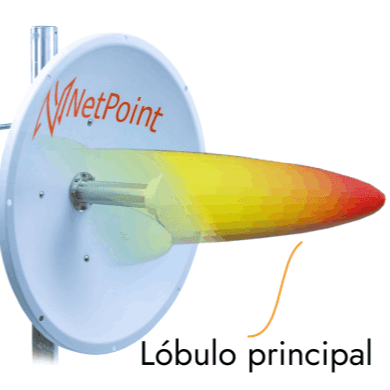
How to properly align a NetPoint antenna
Installation — Understand the main lobe, null signal and secondary lobes to align NetPoint antennas without losing signal. To correctly align a NetPoint…
Read more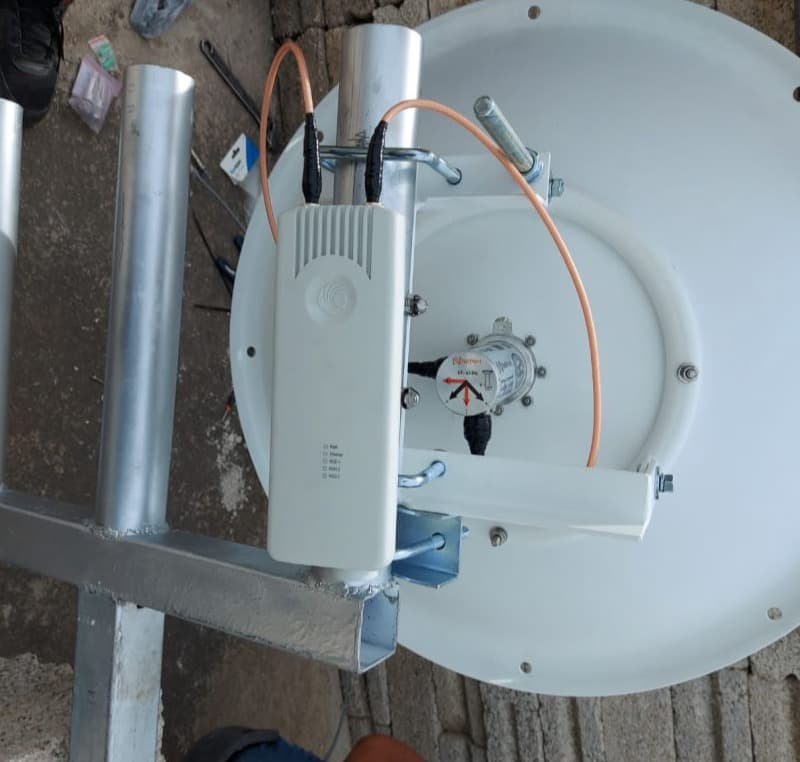
Why We Use a 45° Slant Installation for NetPoint CPEs in PMP Networks
Why 45° in PMP?
Read more
How can I optimize my Fresnel zone in a radio link?
Planning — Correct antenna height, obstacles and orientation are essential to minimize problems in the Fresnel zone. Check the height of the antennas: at…
Read more
What are the best parameters for a good radio link?
Operations — Speed, latency, reliability and signal are the key parameters to evaluate the quality of an Internet radio link. The parameters that are…
Read more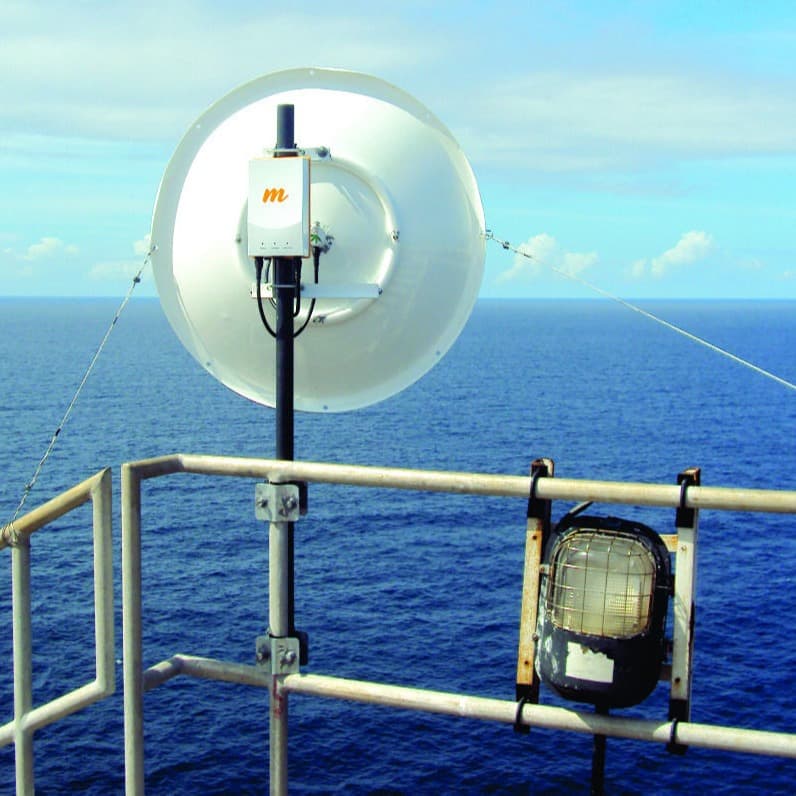
Why is it difficult to make a radio link at sea level?
Planning — Reflection on water, climate, obstacles and access complicate maritime links; Height and radome help mitigate them. There are several factors…
Read more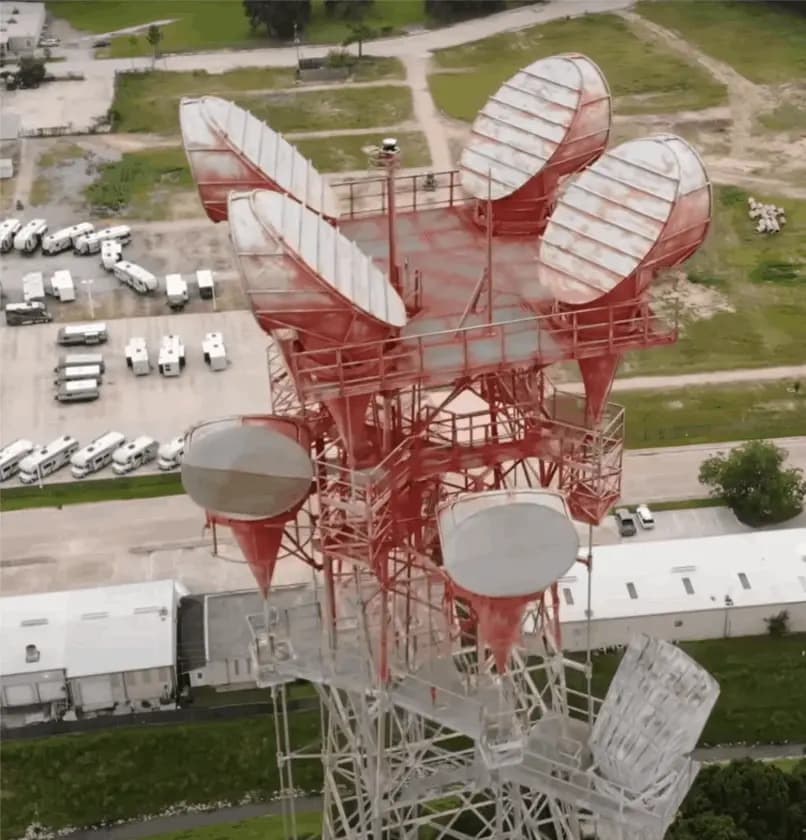
How can I prevent water from getting into my antennas?
Installation — Radome, sealing of connectors from the feeder and periodic maintenance prevent water failures in antennas. Regarding antenna maintenance: one…
Read more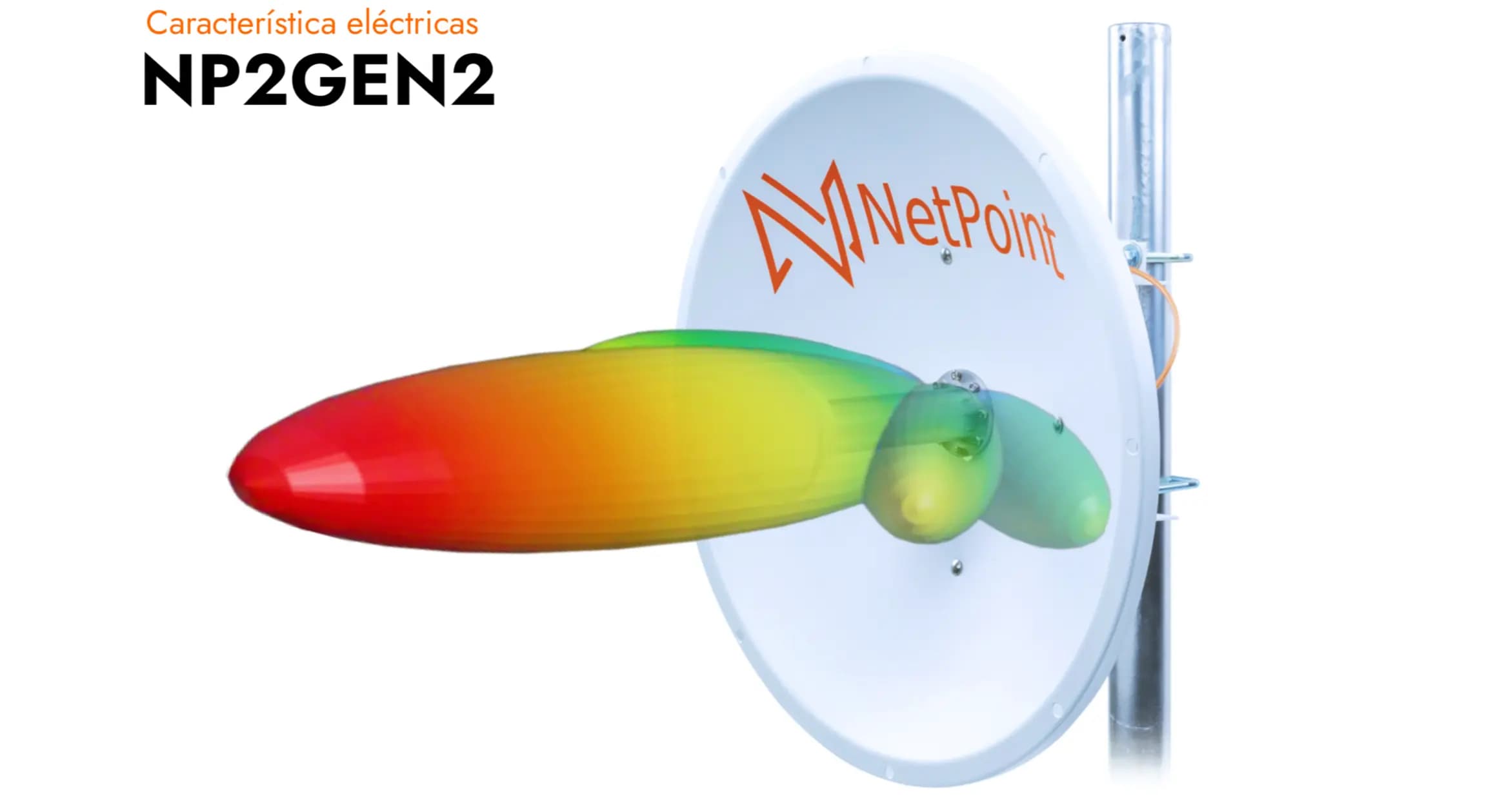
What is beam width?
RF Concepts — Beamwidth is the angle at which a satellite dish emits or receives RF; A narrower beam concentrates energy and reduces interference. The…
Read more
What is the slant used for in antennas?
Installation — The slant describes the inclination of the feed with respect to the dish and allows adjustment of gain, direction and quality of the RF…
Read more
What are the causes of interference in a backhaul link?
Operations — Close links, obstacles, EMI, equipment failures, and even wildlife can degrade a backhaul; The climate also affects. There are always many…
Read more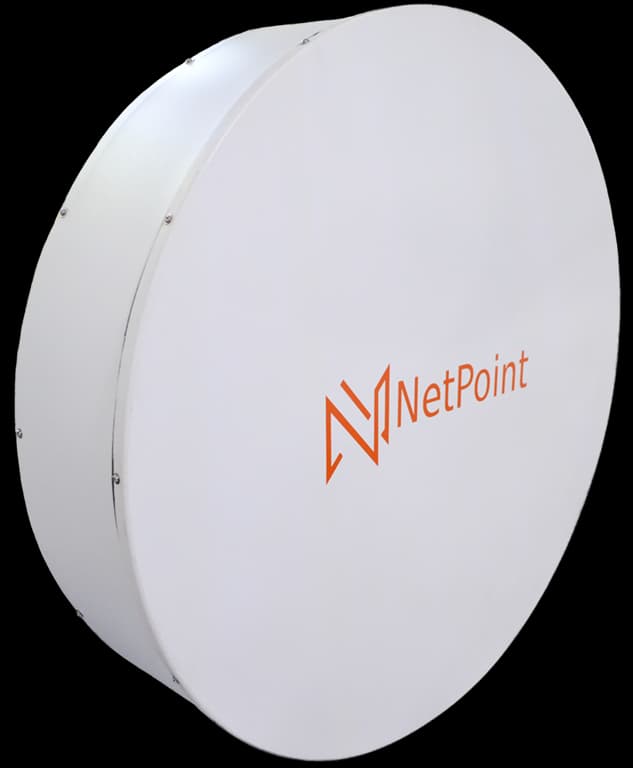
Can shielded antennas reduce electromagnetic interference?
RF Concepts — Yes: Shielded antennas like NPXGEN3 use conductive material around the dish to block external EMI. Yes, shielded antennas like the NPXGEN3 can…
Read more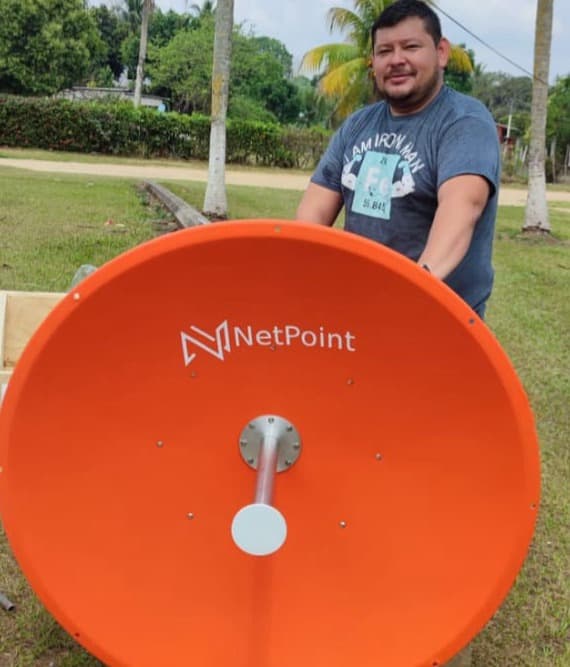
What influences the gain of an antenna?
RF Concepts — Geometry, frequency, polarization, wavelength and efficiency determine how much energy an antenna concentrates. The gain of an antenna refers…
Read more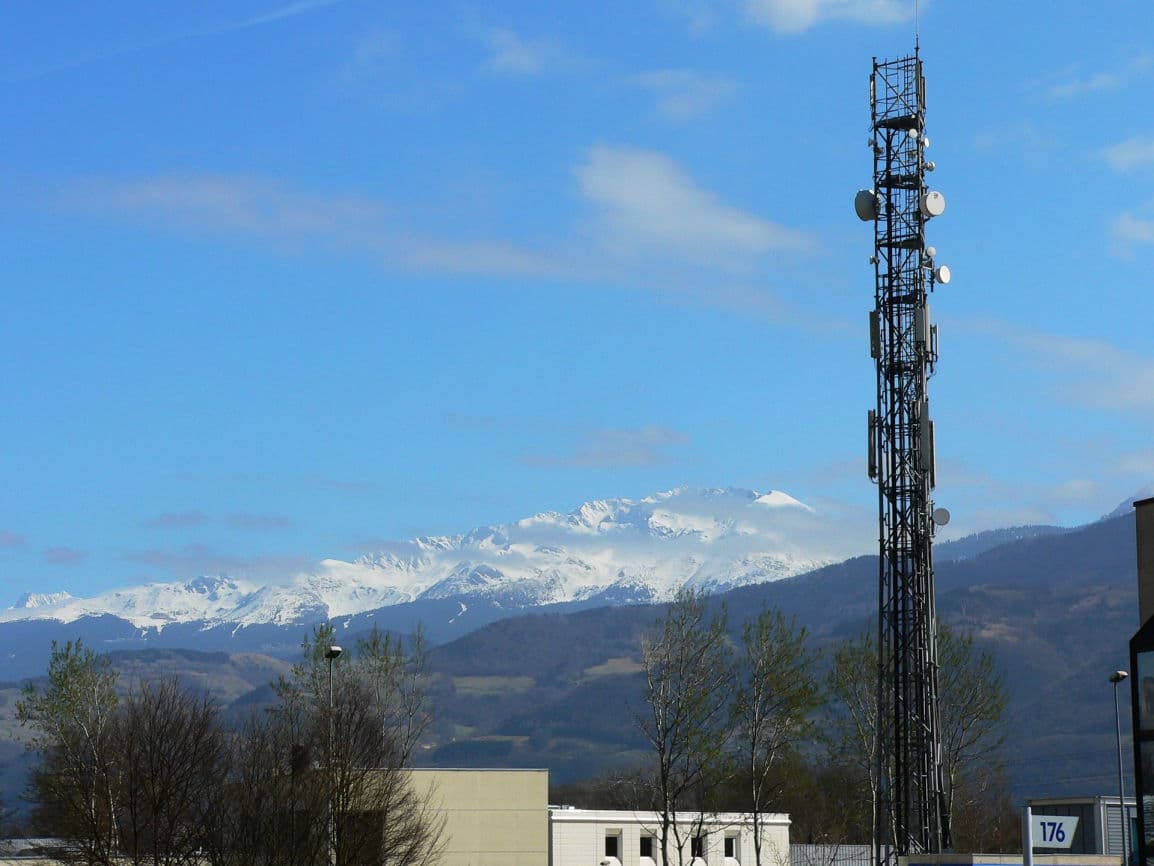
How do NetPoint antennas work?
RF Concepts — A reflecting parabola and feed horn at the focus concentrate the RF into a point-to-point directional beam. A satellite dish antenna is a type…
Read moreWhy optimize an NPGEN2 or NPTR antenna with armor or shield?
Installation — Installation — A conductive shield reduces external EMI/RFI, but must be well calculated to avoid losing gain. Yes, it is possible to…
Read more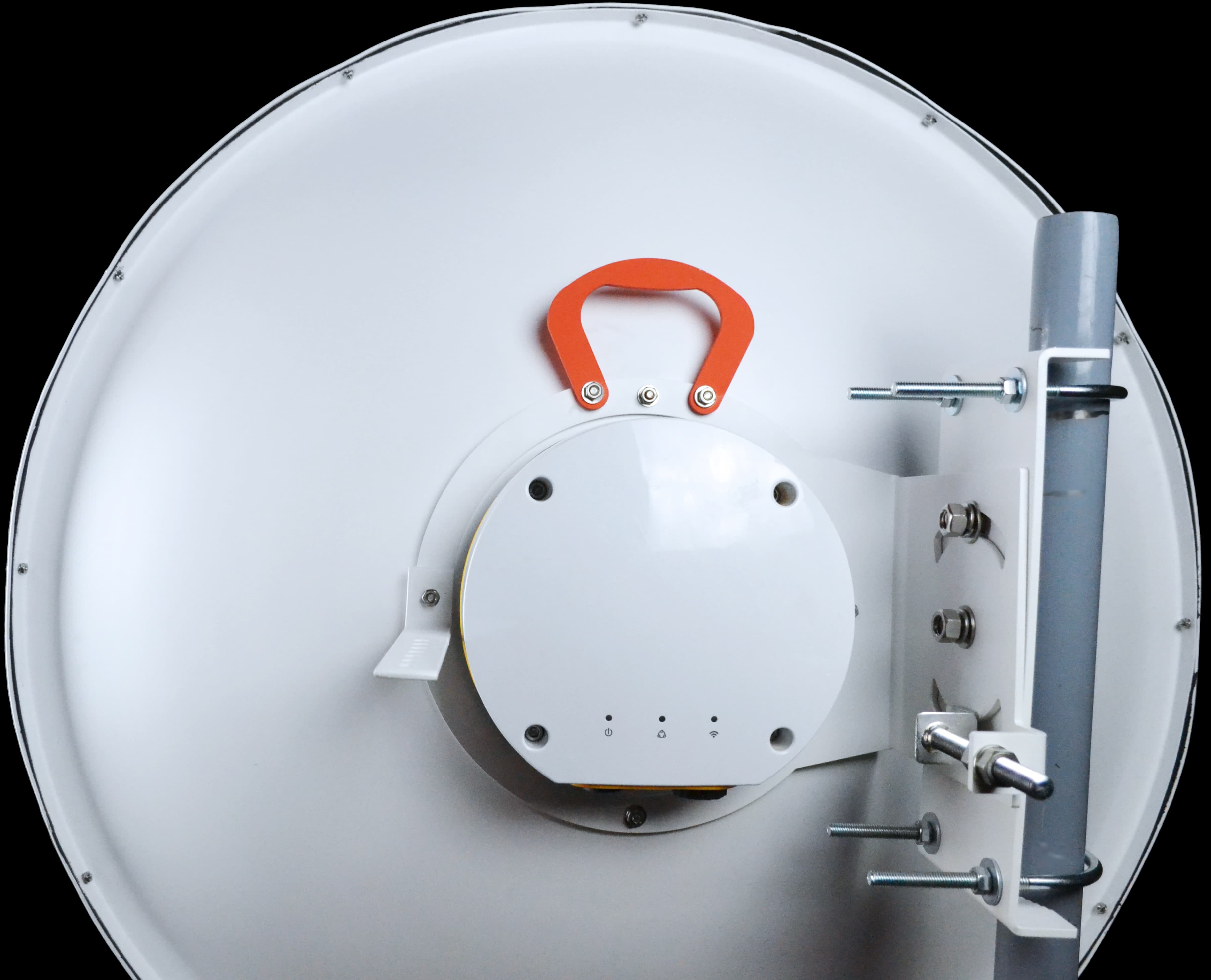
What is front to back?
RF Concepts — The front-to-back ratio (dB) indicates how much gain there is in the front versus the rear; a high F/B rejects subsequent interference.…
Read moreWhat is TDMA?
RF Concepts — TDMA divides transmission time into segments so that multiple users share the same spectrum, such as Mimosa radios. That is why the engineer…
Read moreWhat are the steps to become a WISP?
Planning — Business plan, license, equipment, design, installation, testing, marketing and support: the path to operating a WISP. Becoming a wireless…
Read more
Why is link availability measured on a radio link?
Operations — Signal strength, SNR, SQI, BER and latency allow you to evaluate availability and detect performance problems. Link availability on a radio…
Read more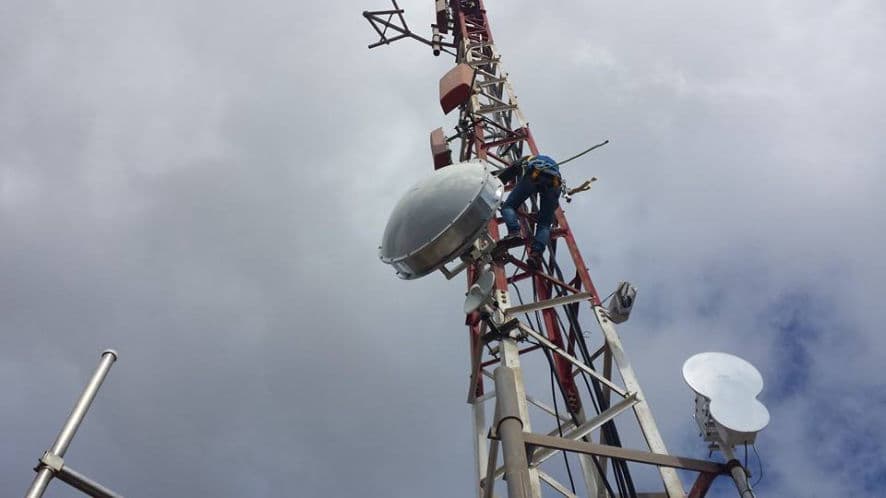
What are the most common antenna alignment techniques?
Installation — From visual alignment to automated software: methods for correctly pointing a point-to-point link. There are several antenna alignment…
Read more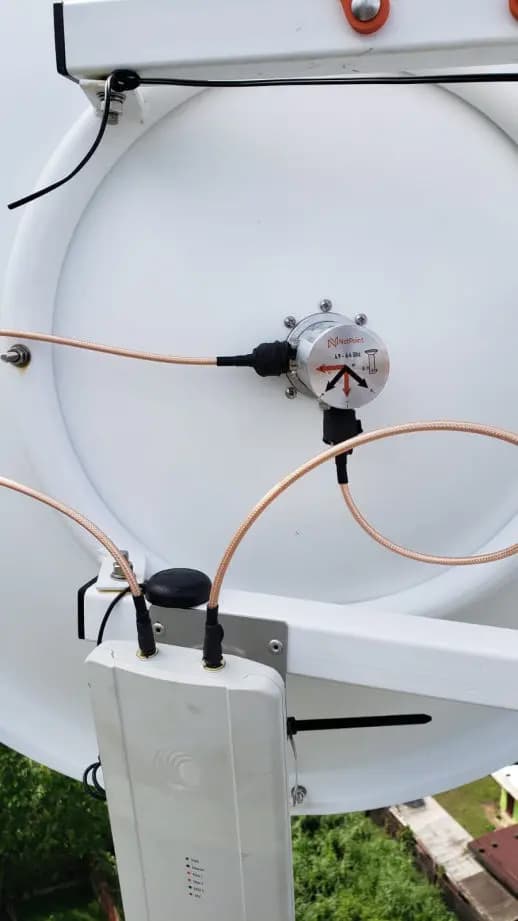
How to make a hybrid wireless and fiber backhaul link?
Planning — Combine wireless NetPoint (e.g. NPXGEN3) with fiber: selection, installation and coordinated configuration of both sections. A hybrid wireless…
Read more
What are DFS frequencies?
Operations — DFS avoids interfering with radars on 5 GHz by detecting signals and emptying the channel; DFS channels vary by country. DFS (Dynamic Frequency…
Read more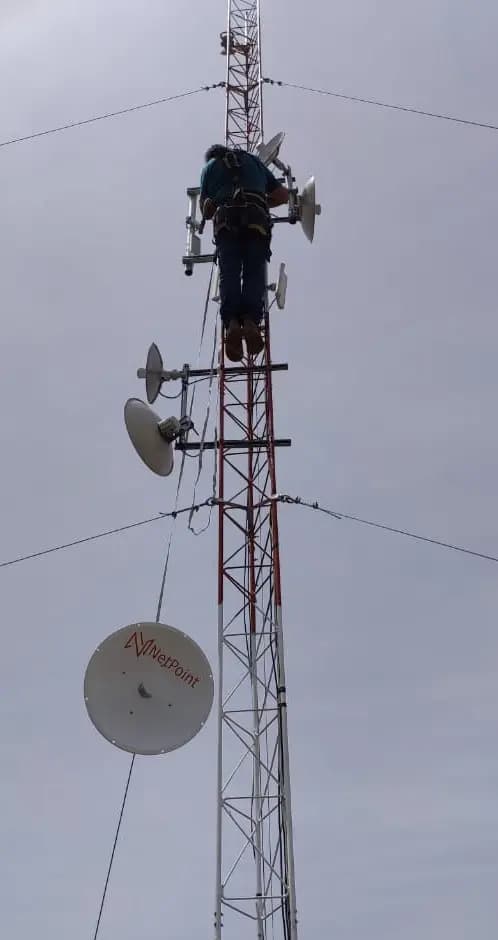
Why should a robust telecom installation be made?
Installation — Durability, reliability, security, efficiency and scalability: a robust installation reduces failures and costs. There are several reasons…
Read more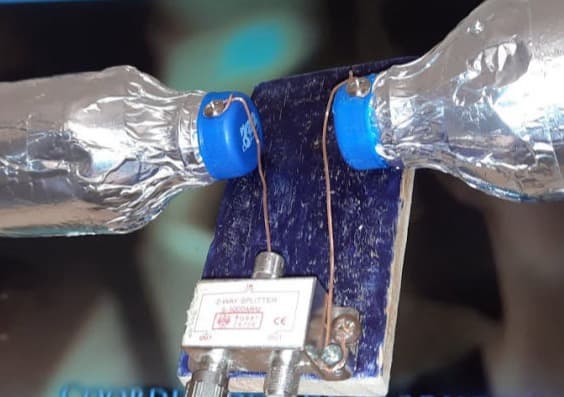
Factors and losses without adequate equipment or maintenance
Operations — Inadequate equipment and lack of preventive maintenance cause EMI, signal loss, failures and unsafety. A radio link that is not equipped with…
Read more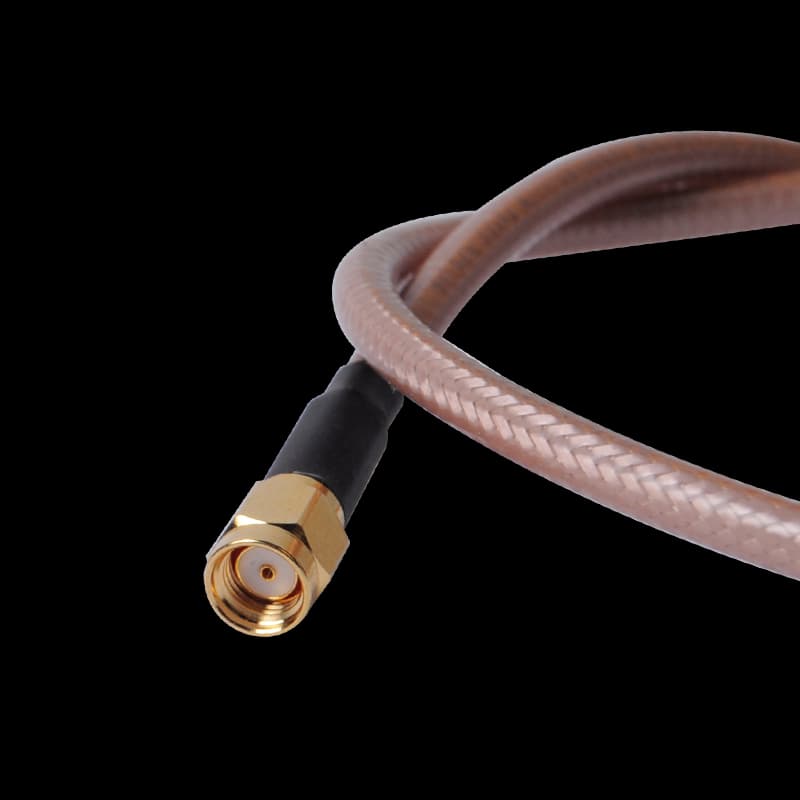
How is a jumper damaged?
Installation — Heat, repeated bending and chemicals degrade an RF jumper's conductor, insulation and connectors. A jumper can be damaged in several ways,…
Read more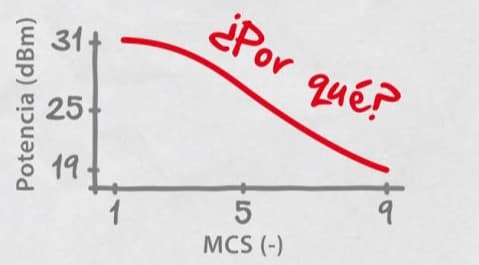
What is the MCS index?
RF Concepts — MCS (Modulation and Coding Scheme) indicates the data rate and modulation/coding complexity in a channel. The MCS index, or Modulation and…
Read more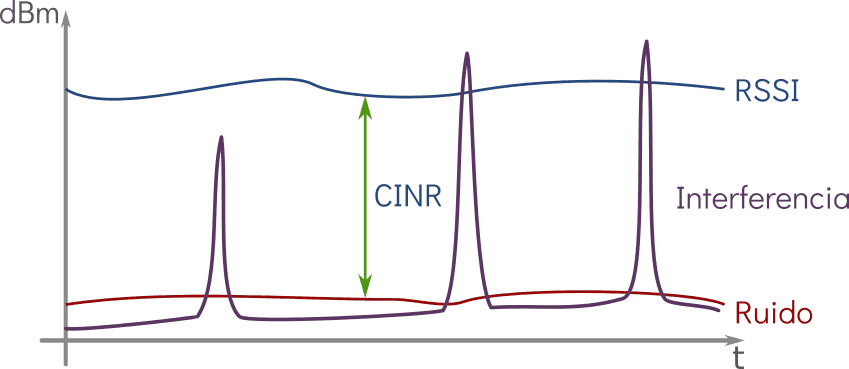
What is CINR (dB)?
Operations — Operations — CINR measures the ratio of useful signal to noise plus interference; in Mimosa adjusts the transmission rate. CINR stands for……
Read morePTP vs PtMP in WISP networks: when to use each architecture
Planning — Practical differences between point-to-point backhaul and point-to-multipoint access, and how to choose NetPoint antennas for each case. In a…
Read more
5 GHz and 6 GHz bands for WISP: noise, DFS, and migration
RF Concepts — How to think about saturated 5 GHz vs 6 GHz (UNII-5/7 and related) when planning backhaul, and which NetPoint families fit each band. 5 GHz…
Read more
NetPoint antenna compatibility with Ubiquiti and MikroTik
Installation — What “compatible” means in practice: mounting, slant polarization, pigtails, and performance expectations with Ubiquiti or MikroTik radios.…
Read more
Rain fade and basic link budget for WISP links
Planning — How to leave margin for rain, cable loss, and availability without magic formulas: steps every operator should review. A simple link budget adds:…
Read more
Choosing dish vs sector in a WISP deployment
Planning — Clear criteria: distance, customer density, interference, and link role (backhaul vs access). Dish (high-gain parabolic): for PTP or distant…
Read more
WISP backhaul in high noise: shielding and discrimination
Operations — Why F/B, shielding, and alignment matter more than “more dBi” when spectrum is saturated. On shared towers, more dBi without discrimination can…
Read more