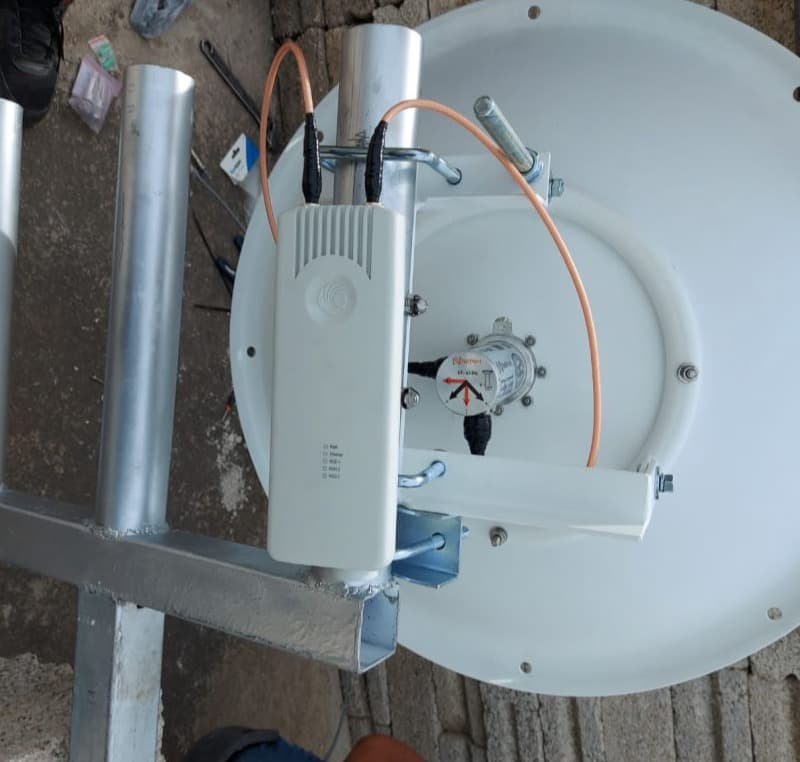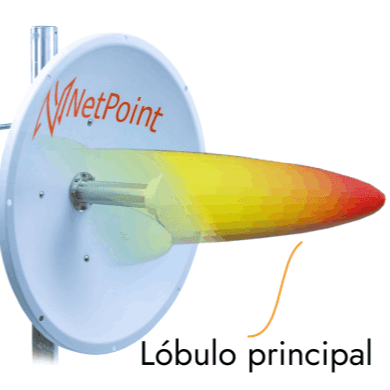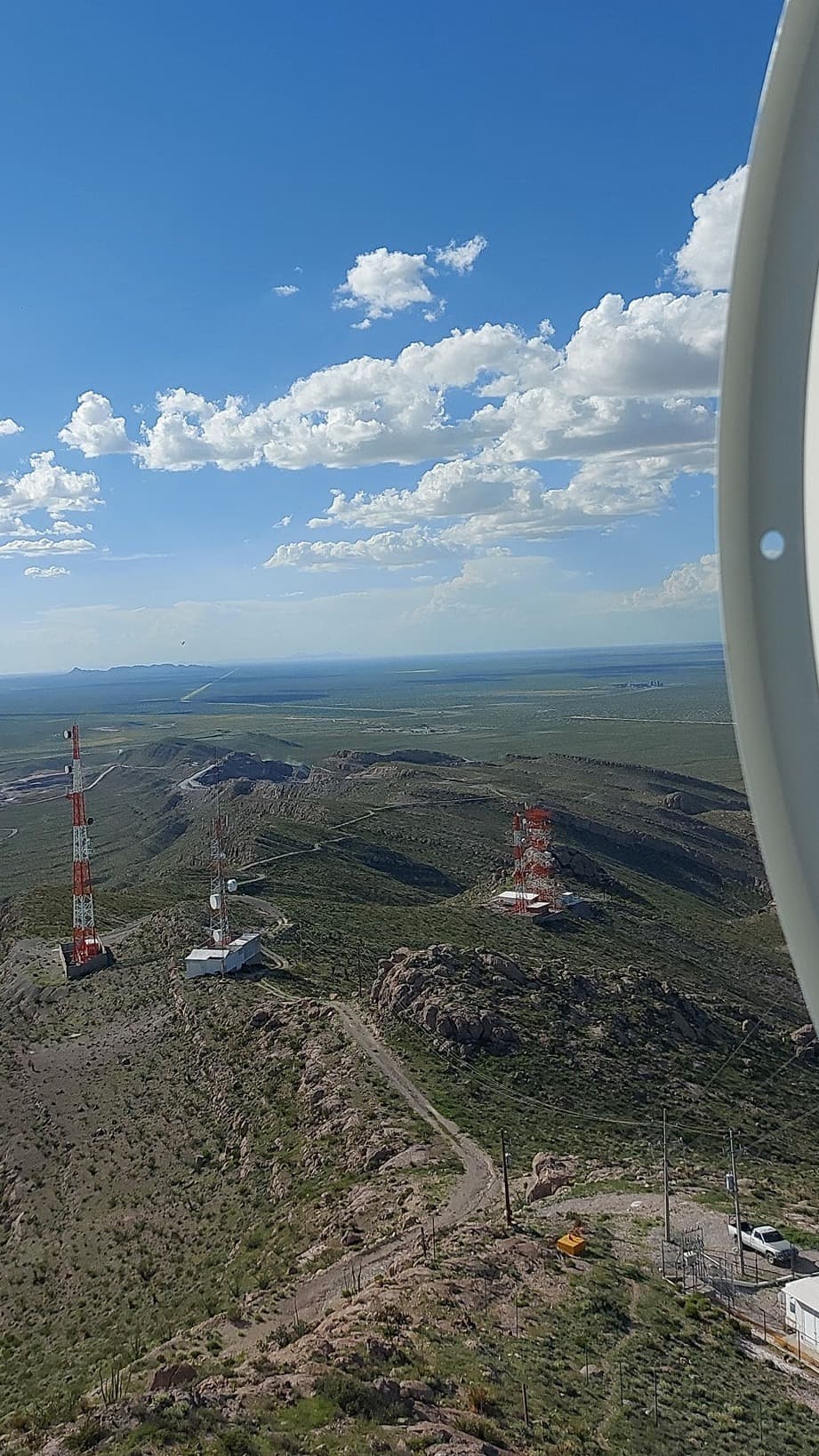
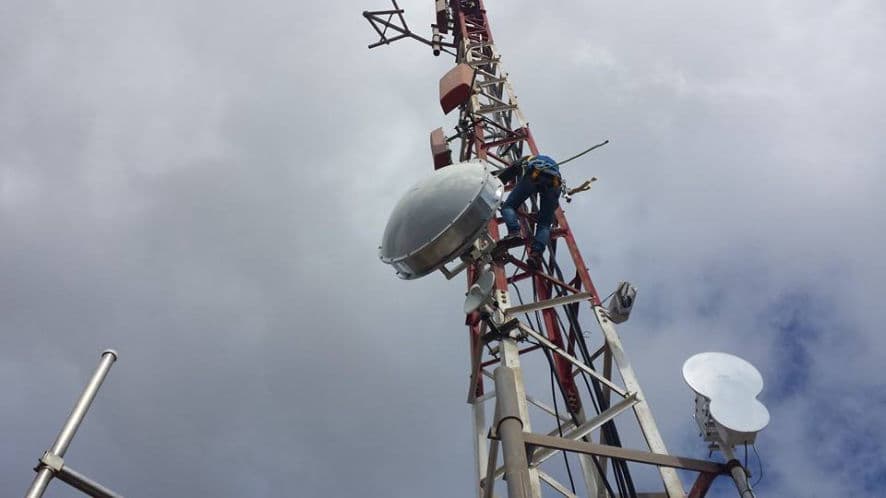
There are several antenna alignment techniques used to ensure that two antennas are pointed correctly toward each other on a point-to-point link. Some of the most common techniques include:
Visual Alignment: Involves visually aligning the antennas by pointing through a scope or spirit level. It is a simple and inexpensive technique, but requires manual precision and can be difficult to perform in conditions of reduced visibility.
Alignment with a power meter: involves measuring the power of the received signal at the receiving antenna and adjusting the orientation of the transmitting antenna until maximum signal power is obtained.
Alignment with an angle of arrival meter: involves measuring the angle of arrival of the signal at the receiving antenna and adjusting the orientation of the transmitting antenna until the optimal angle of arrival is obtained.
Alignment with automatic tracking software: involves using specialized software to automate the alignment process through the use of algorithms and sensors. It is a precise and easy-to-use technique, but it requires specialized equipment and can be expensive.
Alignment with a polarization direction meter: involves measuring the direction of polarization at the receiving antenna and adjusting the orientation of the transmitting antenna until the correct polarization is obtained.
In summary, there are several antenna alignment techniques, from visual alignment to alignment with automatic tracking software, and each has its own pros and cons. The choice of technique will depend on the type of antennas, link distance and budget.