
A simple link budget adds: EIRP (or power + TX gain) − path loss − cable/connector loss + RX gain − radio threshold at the target MCS. The result is fade margin.
Rain fade: at 5/6 GHz the effect is smaller than licensed microwave, but on long hops and heavy storms the margin disappears. Design for the MCS you actually need (capacity), not just “associated”.
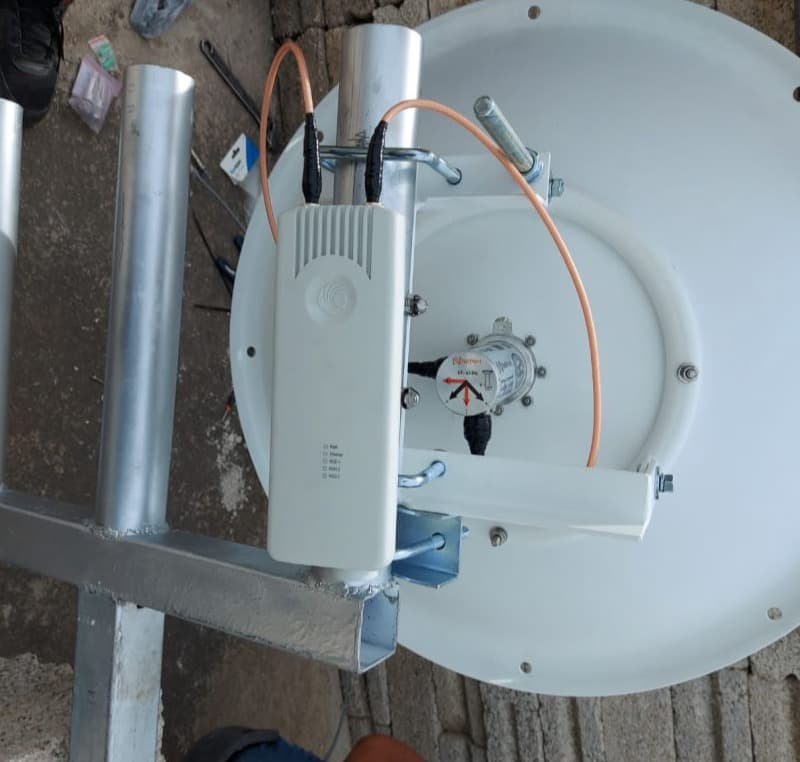
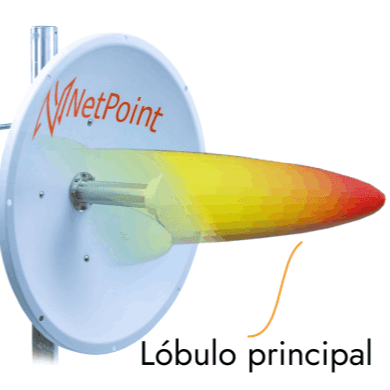
Hidden losses: long jumpers, poorly sealed connectors, wet/dirty radomes, alignment on a sidelobe. Before raising power, fix the antenna and cabling.
Availability: set a target (e.g. 99.9%) and validate with tools (calculator / Pathwave) plus local climate experience. Document expected vs measured RSL at handoff.
If margin is tight, increase antenna gain (e.g. from NP62 toward NPX63/NPX64) or shorten the hop; do not rely only on raising TX until you saturate the front-end.