There are several factors that can make it difficult to make a radio link at sea level:
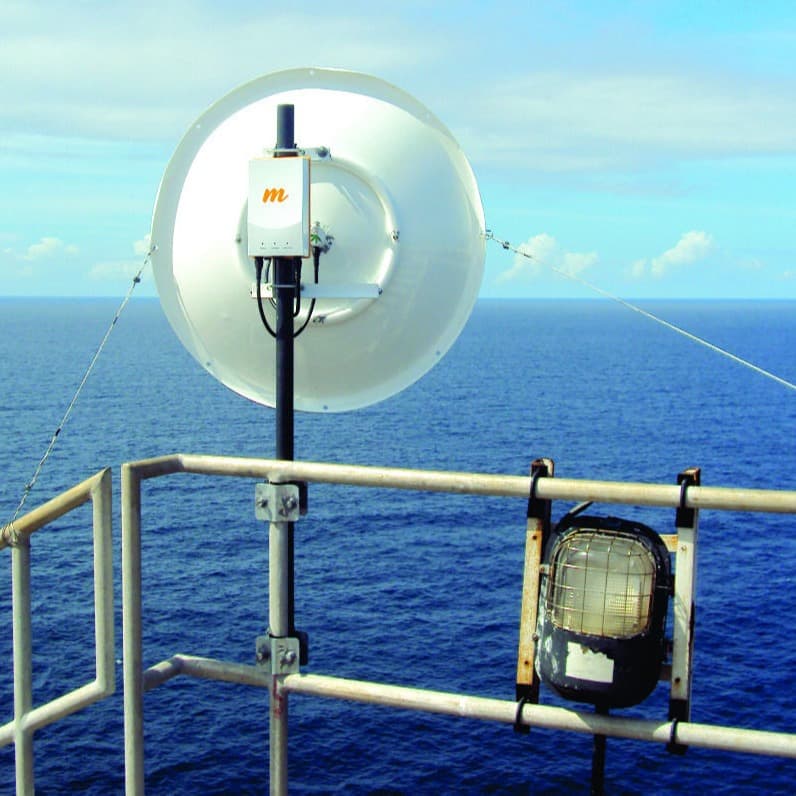
1.- Electromagnetic interference: the sea can be a source of electromagnetic interference for radio links, since water is a conductor of electricity and can reflect radio frequency signals. This can make it difficult to receive and transmit signals.
2.- Weather conditions: weather conditions at sea level, such as rain, fog and snow, can affect the quality of the signal of a radio link. This can make it difficult to establish and maintain a good quality link, but can be mitigated with a radome.
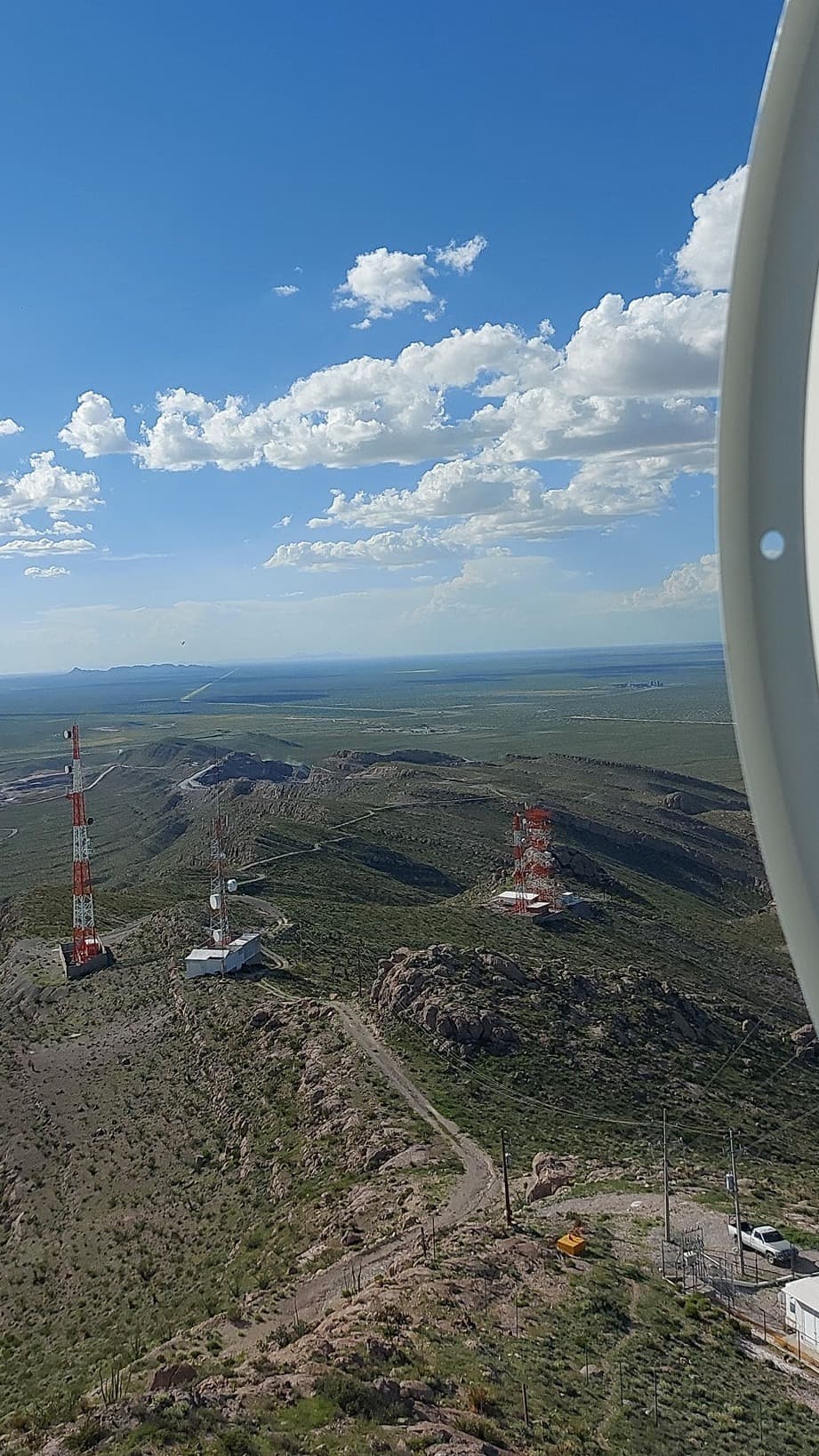
3.- Obstacles: obstacles in the line of sight between the antennas, such as waves and ships, can obstruct or reflect the radio frequency signal, which can affect the quality of the link; Therefore we choose to look for the greatest height.
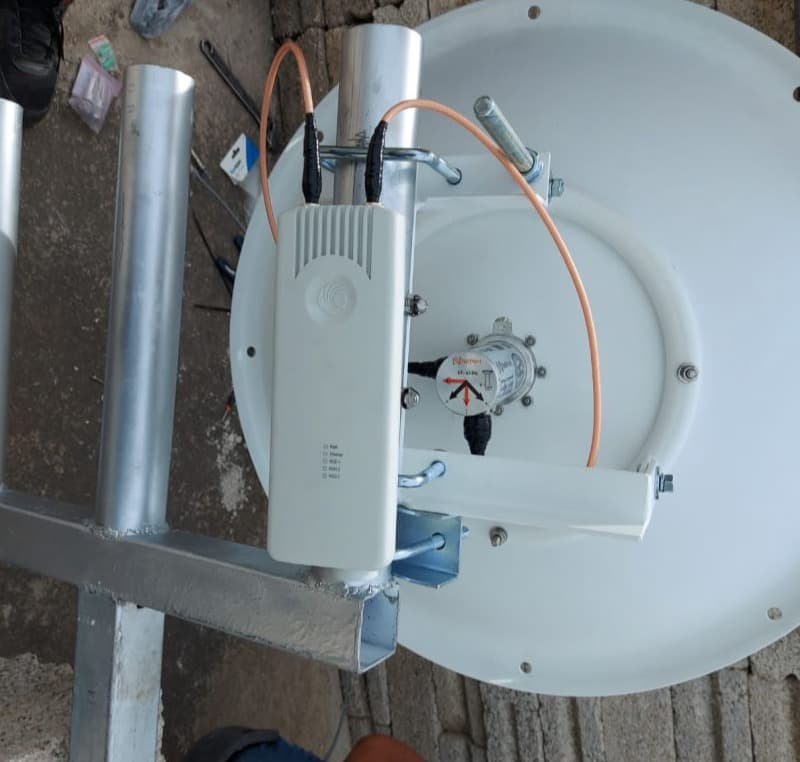
4.- Installation and maintenance: installing and maintaining a radio link at sea level can be difficult due to weather conditions and lack of access to the location of the antennas. This can increase the time and costs required to establish and maintain a link.
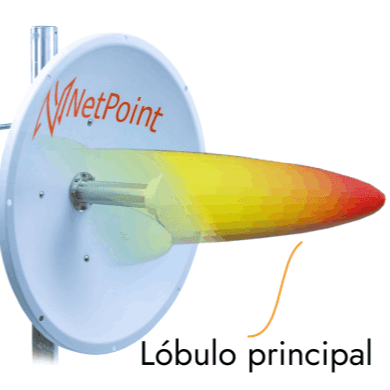
In general, making a radio link at sea level can be difficult due to adverse environmental and technical conditions and lack of access to antennas. However, there are technologies such as NetPoint and specific techniques that can be used to mitigate these problems and establish a good quality link.