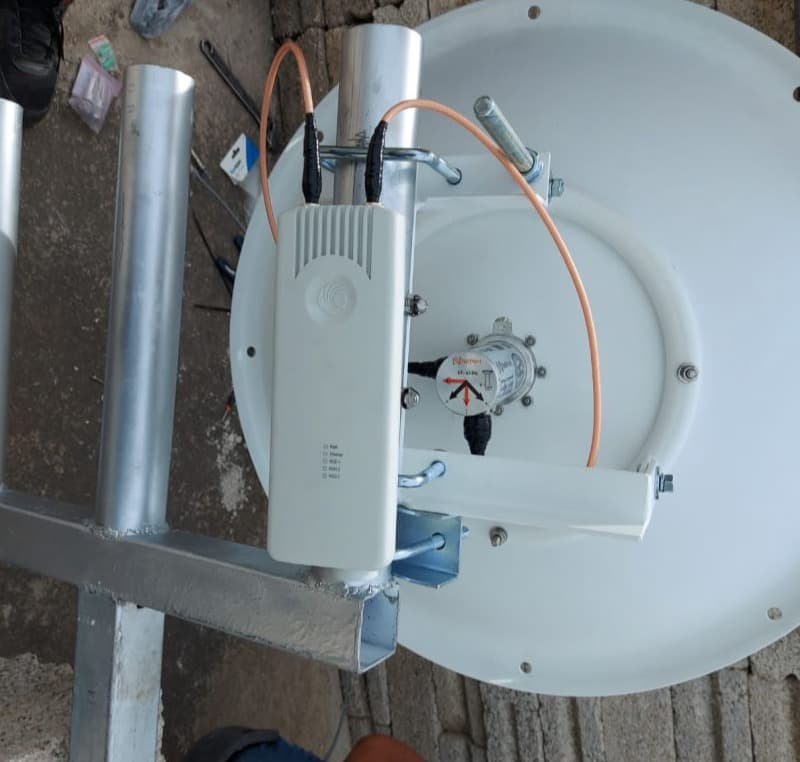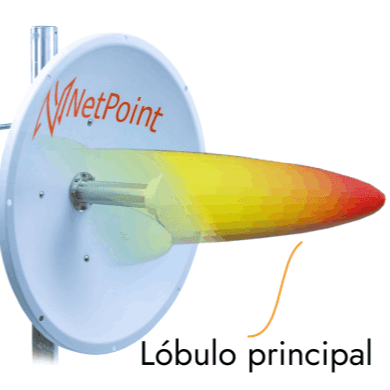

The gain of an antenna refers to its ability to concentrate the radio frequency signal in a certain direction. There are several factors that can influence the gain of an antenna:
Antenna geometry: The shape and size of the antenna can affect its gain. For example, high gain antennas typically have a longer, narrower shape, while low gain antennas typically have a shorter, wider shape.
The operating frequency: The gain of an antenna can vary with the operating frequency. For example, an antenna may have higher gain at a frequency of 2.4 GHz than at a frequency of 5 GHz.
Antenna polarization: The orientation of the radio frequency signal can also affect its gain. For example, a vertically polarized antenna may have a different gain than one horizontally polarized.
The wavelength: Antennas that operate at longer wavelengths typically have lower gain than antennas that operate at shorter wavelengths.
Antenna efficiency: The amount of radio frequency signal energy that is converted into electromagnetic radiation can also affect its gain. More efficient antennas have higher gain than less efficient ones.