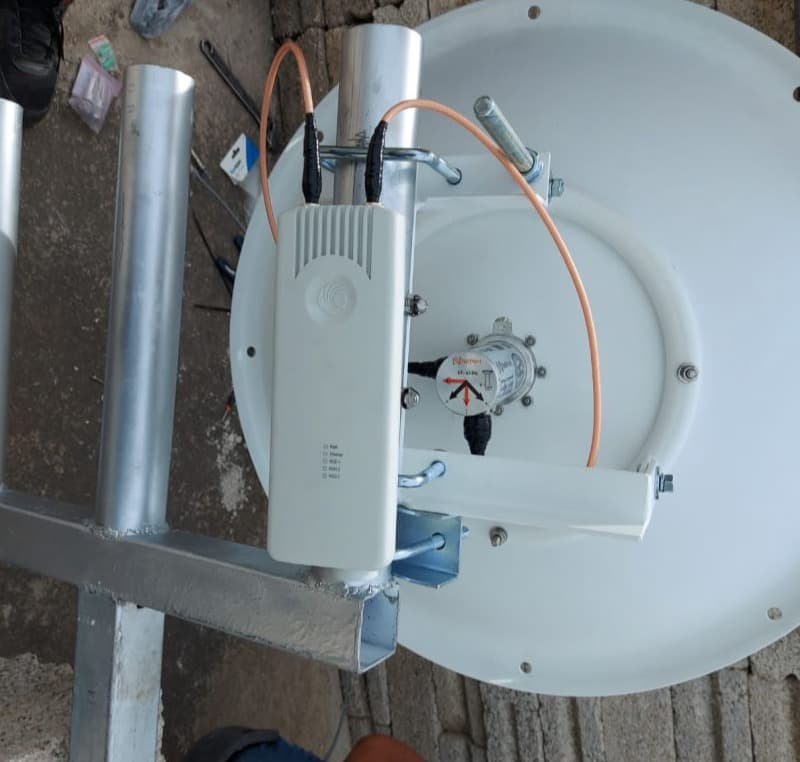

In a WISP, PTP (point-to-point) is usually the backhaul or high-capacity link between two fixed sites. PtMP (point-to-multipoint) is the access sector that serves multiple customers from a tower or POP.
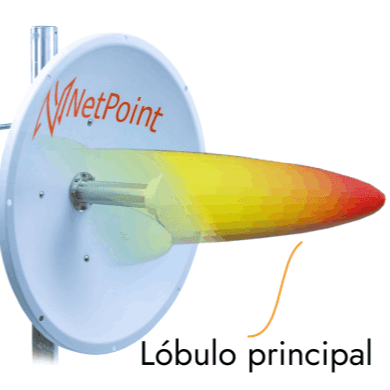
PTP prioritizes gain, F/B ratio, and stability: longer links, tighter alignment, and often 5/6 GHz with shielded antennas in noisy markets. Series such as NPX6 and NPX5 are built for that role.
PtMP prioritizes angular coverage and customer density: sectors (e.g. NPPro / NPTR families) with wider beamwidths. They do not replace a high-gain dish on a 40+ km hop.
Practical rule: design the backhaul (PTP) first with rain-fade margin and availability, then size PtMP sectors for density and channelization. Mixing roles without an interference plan is a common reason “the radio looks fine but the link does not”.
Use Pathwave or the RSSI calculator to validate PTP hops before buying; confirm mount compatibility with your radio (Ubiquiti, MikroTik, Cambium, Mimosa, etc.).