

Product guide
NetPoint WISP antennas
Dual-slant parabolic antennas for ISP and WISP: PtP backhaul, CPE, and 5/6 GHz growth. Made in Guadalajara, compatible with Ubiquiti, Cambium, Mimosa, MikroTik, and more.
What a WISP looks for in an antenna
Operators typically want a clear-gain 5 GHz or 6 GHz dish, dual-slant polarization, solid noise rejection, and connectors ready for the radios they already run. NetPoint maps those needs to documented PtP/CPE families — no invented figures: each datasheet shows the real model specs.
5 GHz and 6 GHz PtP backhaul
Medium- and long-haul trunks with parabolic dishes for capacity and Carrier Class availability.
Dual slant and interference control
±45° polarization to cut noise in dense corridors; NPX shielding when the RF environment demands it.
Ultra-wideband multi-radio
NPUW at 4.9–7.2 GHz to unify inventory when multiple vendors and MLO protocols coexist.
CCTV and ISP in one ecosystem
The same PtP link logic serves wireless video and WISP access trunks.
NetPoint families for WISP networks
Links into the catalog. Use each anchor to jump to a family; RF figures live on every model page.
5.9–7.2 GHz
NP6 6 GHz PtP / CPE antennas
Connectorized MLO-ready backhaul and CPE for rock-solid stability at 6 GHz.
See more →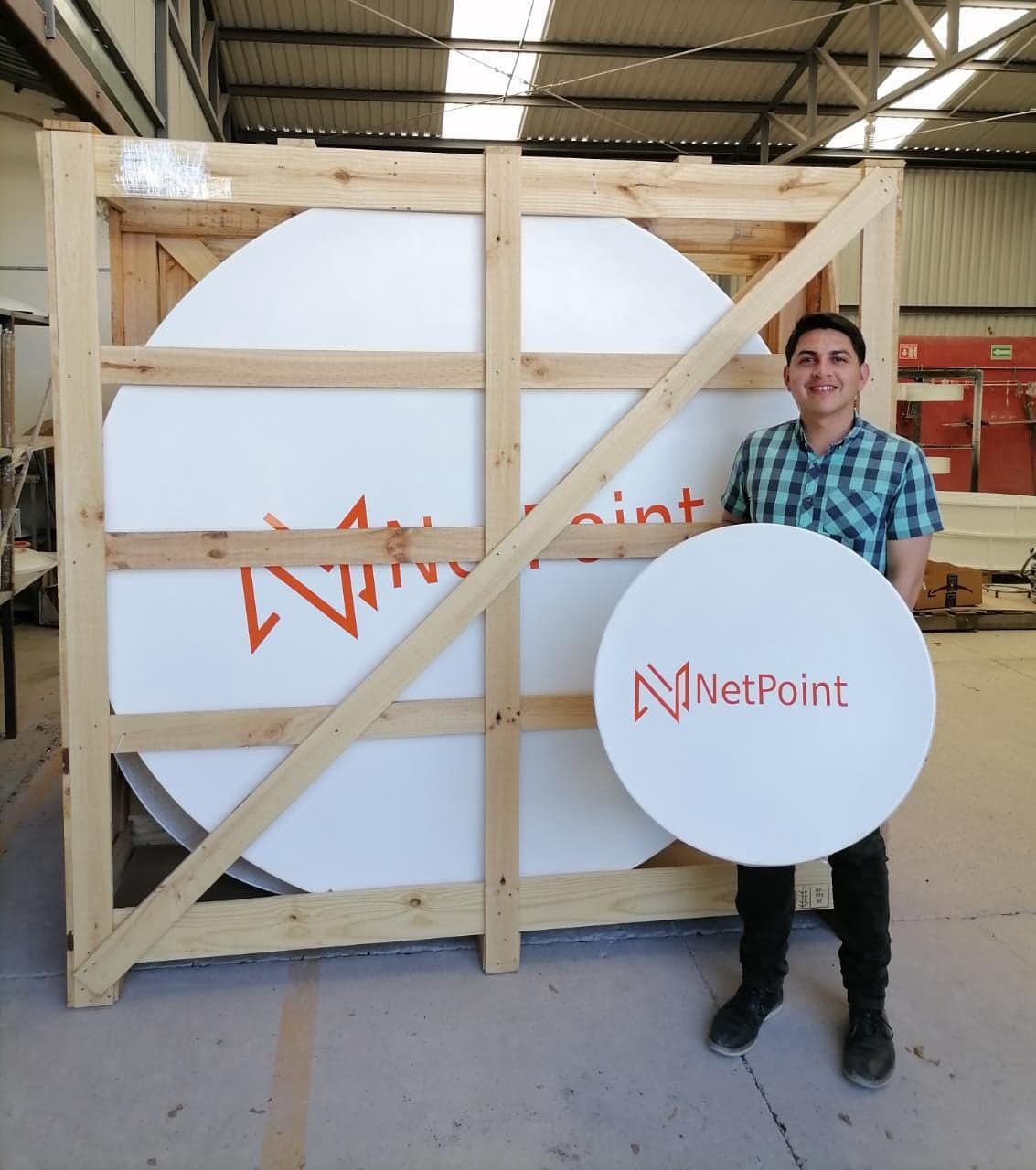
5.9–7.2 GHz
NPX6 shielded 6 GHz antennas
High-performance shielded antennas for 6 GHz trunk links in high-interference environments.
See more →
4.9–7.2 GHz
NPUW ultra-wideband antennas
Connectorized ultra-wideband antenna, multi-radio compatible and MLO-ready.
See more →
4.9–6.4 GHz
NPGEN2 5 GHz parabolic antennas
Professional 4.9–6.4 GHz parabolic antennas — lightweight, directive, and Carrier Class for WISPs.
See more →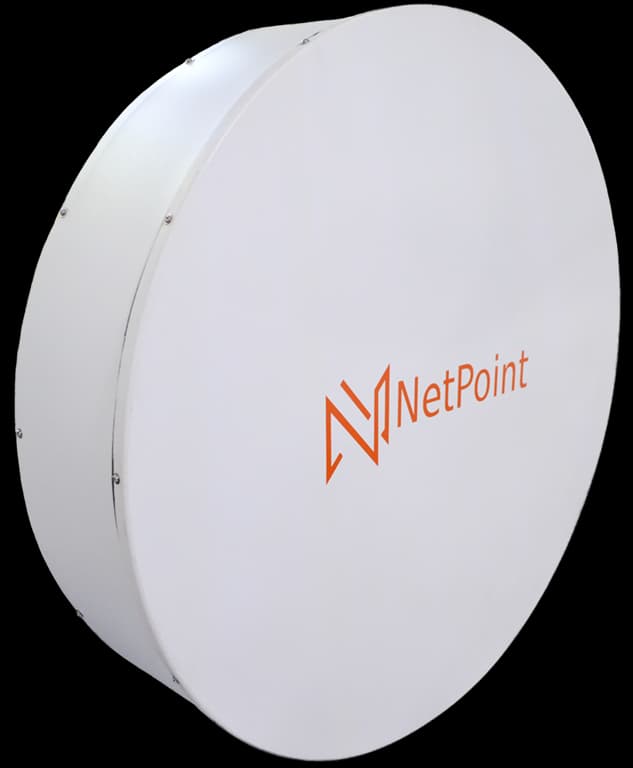
4.9–6.4 GHz
NPXGEN4 high-performance 5 GHz antennas
Lightweight design with strong RF performance — shielded antennas for 5 GHz PtP links.
See more →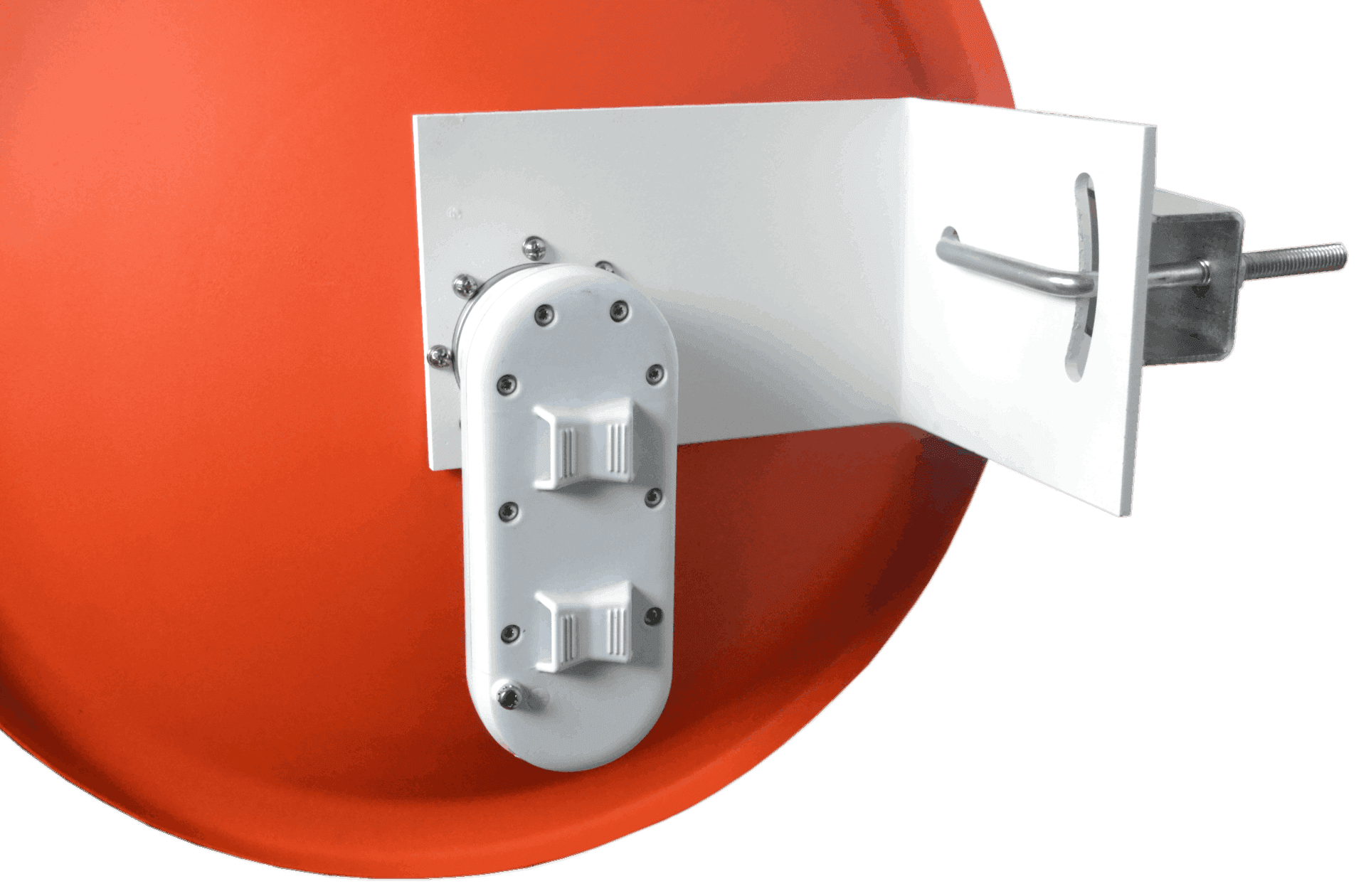
5 GHz Twist-On
NPPRO Mimosa Twist-On antennas
Twist-On for Mimosa C5X/B5X/C6X/B6X — short links and high-stability PTMP.
See more →6 GHz cluster: products, cases, and knowledge
The same WISP story in three layers — catalog above, documented deployments and CMS RF guides below. No invented cases.
RF knowledge
Documented cases
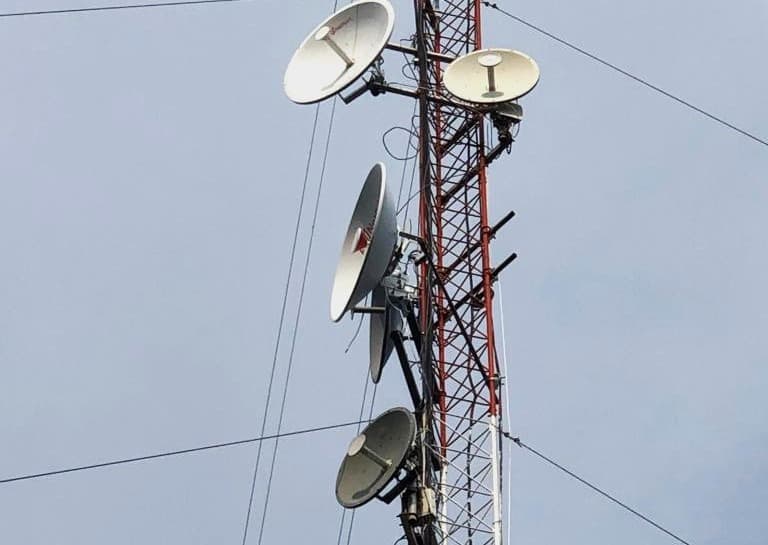
NP6 + Force 4600c · 43.17 km
625/1015 Mbps in tests and up to 1053/956 Mbps stabilized at 6 GHz.
NP6 noise silencing 7 GHz · 27.7 km
Up to ~1.2 Gbps on 160 MHz channel with excellent isolation between ports.
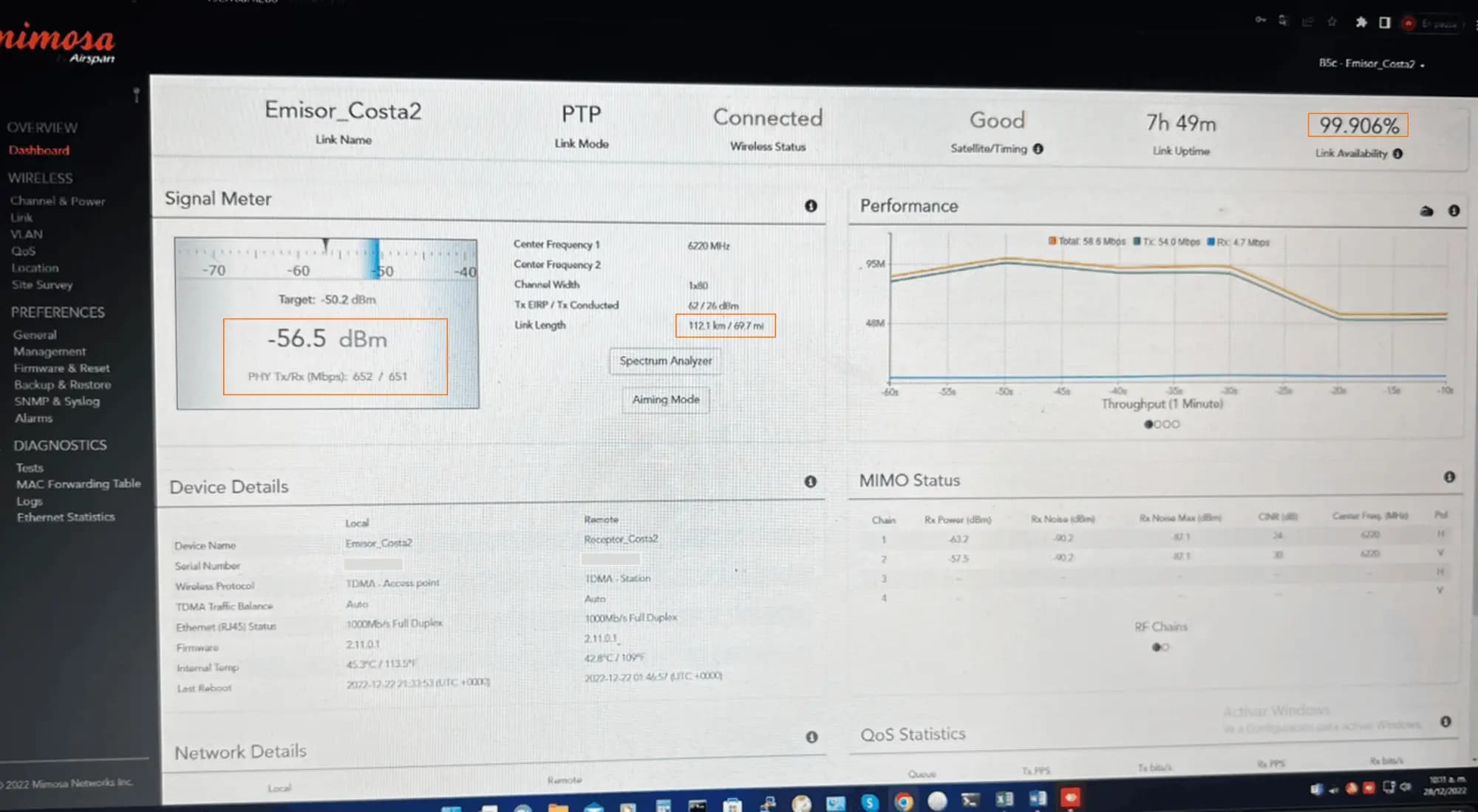
112 km · Nayarit, Mexico
Excellent signal level and high stability without taking full advantage of its capacity.
Which WISP antenna do you need?
Tell us distance, band, and radio — we will guide you among NP6, NPX6, NPUW, and GEN2/GEN4.