There are always many reasons for interference, but these are the most common:
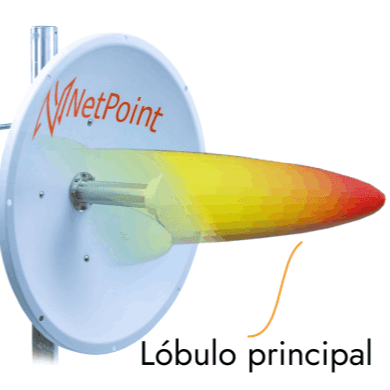
Other nearby RF links: Nearby RF links can interfere with each other if they use the same frequency or nearby frequencies. This can affect the quality of the backhaul link.
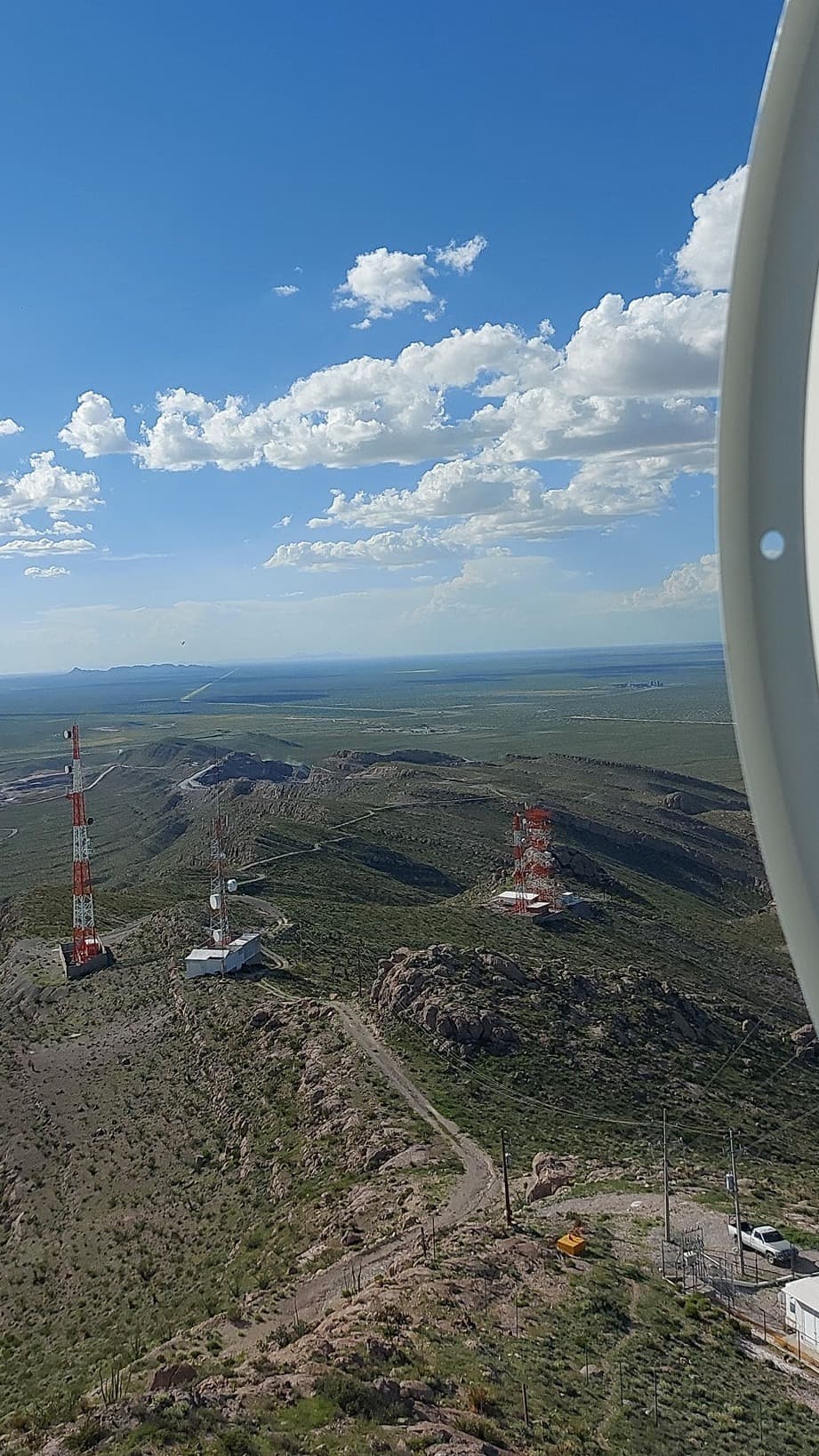
Obstacles: Obstacles in the line of sight between antennas, such as trees, buildings, and mountains, can obstruct or reflect the RF signal, which can affect the quality of the backhaul link.
Electromagnetic interference: Sources of electromagnetic interference, such as electric motors and electronic devices, can interfere with the radio frequency signal and affect the quality of the backhaul link.
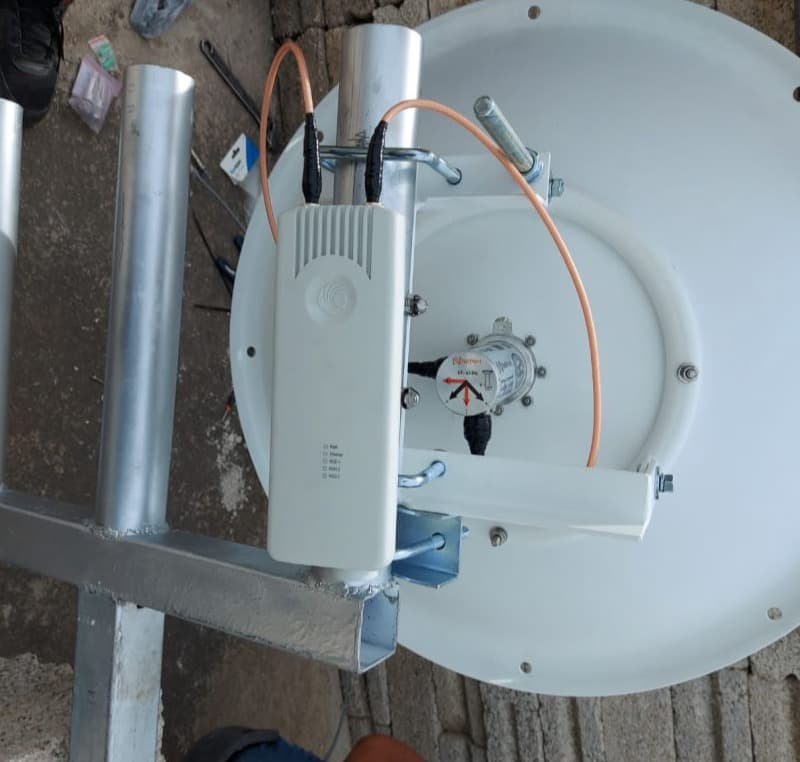
Equipment failures: Failures in the radio frequency equipment used in the backhaul link, such as antennas, radios and even improperly crimped cables and POE, can cause interference and affect the quality of the link.
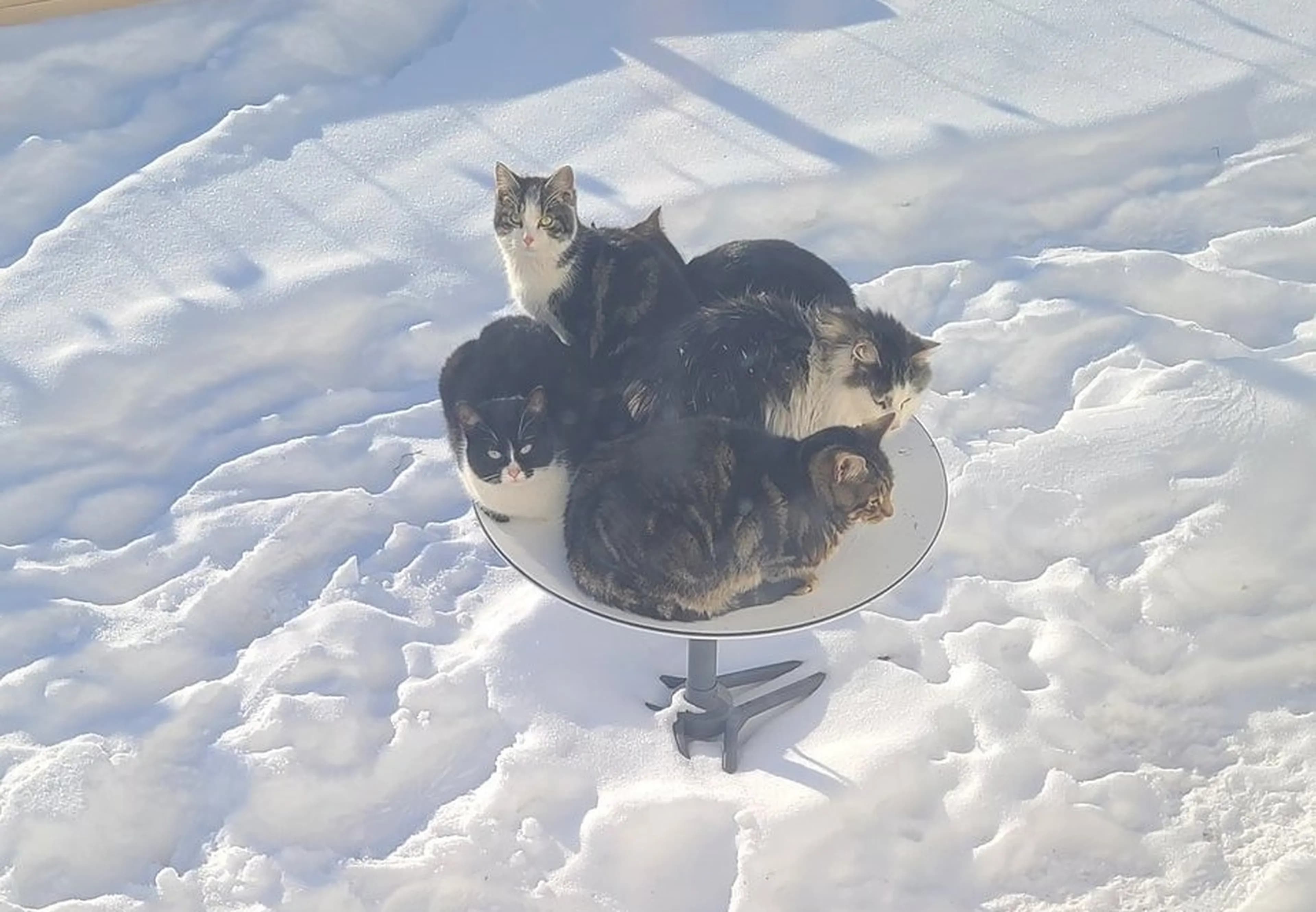
Wildlife can also cause obstructions and even damage equipment.
And the weather? Weather can affect the quality of a radio link in several ways. Water, snow, and rain can be sources of electromagnetic interference because they are electrical conductors and can reflect radio frequency signals. Wind, rain and snow can obstruct the line of sight between the antennas or accumulate on them and affect the transmission and reception of signals.