WHAT IS THE CHALLENGE IN A 112 KM BACKHAUL LINK?
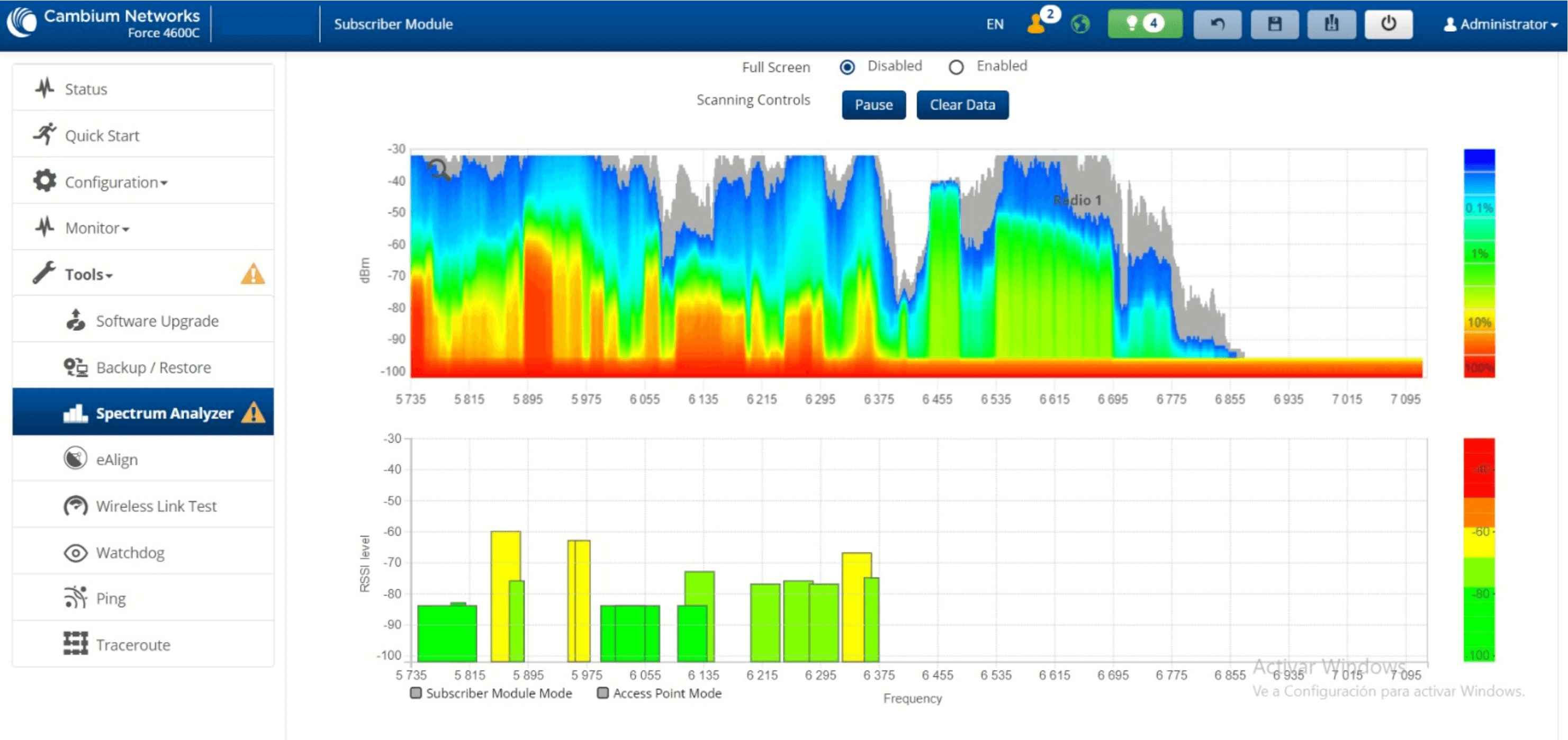
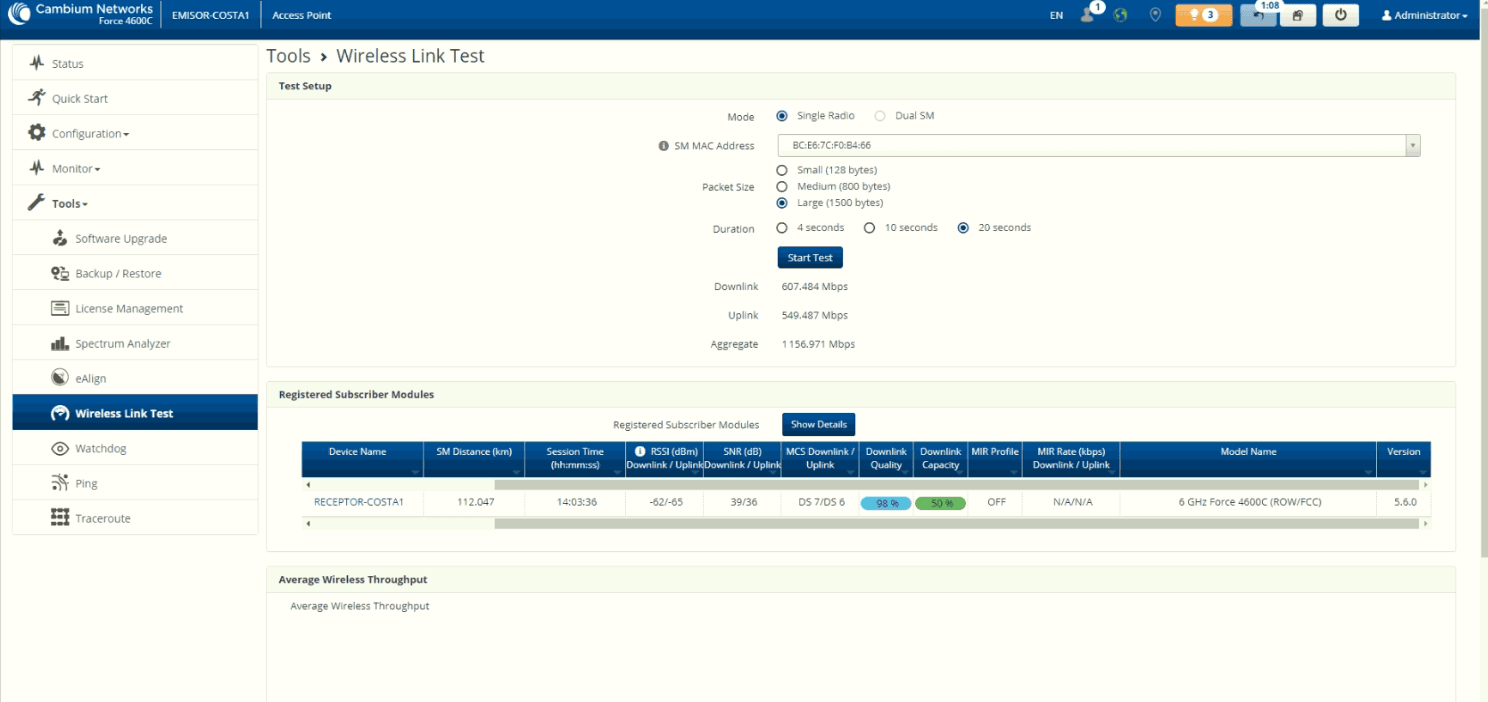
Without a doubt one of the biggest challenges is obtaining an efficient signal level capable of working with good modulation.
4 reasons why an antenna like the NPTR3 was chosen for this link?
- Robustness of the equipment and hardware.
- Support in technical support.
- Achieve the best signal levels to obtain link stability.
- Build a high-gain, highly available backhaul with an excellent equipment cost-to-performance ratio.
Backhaul radio link design
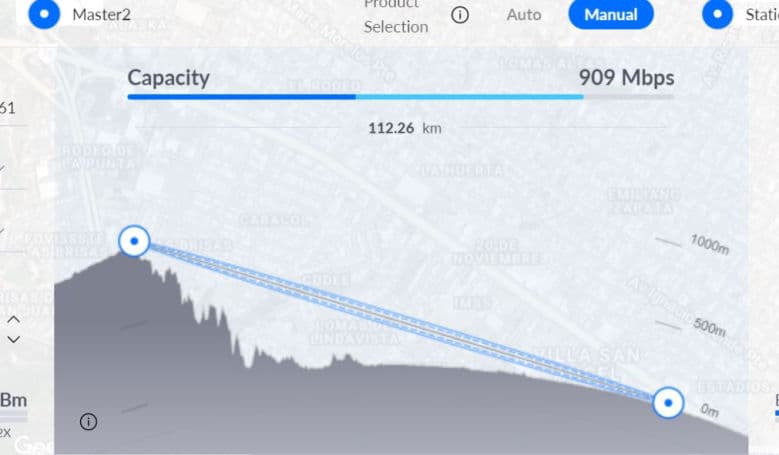
This project, as in all radio links, it is necessary to verify the viability since there may be very good viability but it can be compromised, as in the case of the curvature of the earth and factors such as vegetation. How can we overcome these factors? with height.
Accessories
Update of the link with lower signal level and decrease of the EIRP to 21 dBm
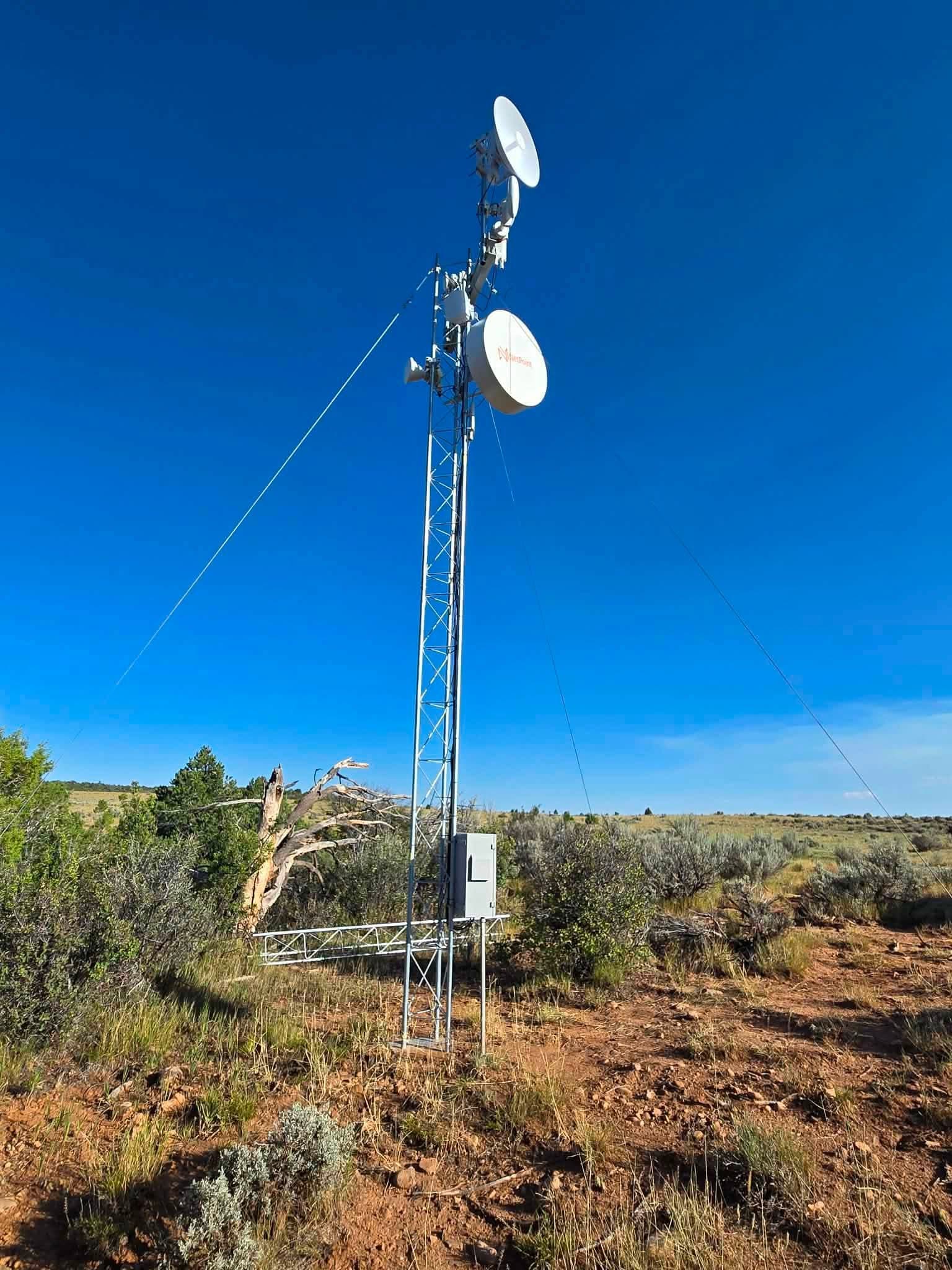
- NetPoint NPTR3 Antenna (NPTR5-DPS-4FT) 37 dBi
- Mimosa Networks B5C Radio
- CAT 6 Ext 1GB Cable (Important)
- Ubiquiti Rocket (To align)
- Patience and determination
- We continue
Summary
112 km NPTR3 link — what is the challenge on a 112 km backhaul? One of the hardest is getting an efficient signal level that can sustain solid modulation.
4 reasons this link chose an NPTR3 antenna
Hardware robustness and mounting hardware.
Technical support.
Reach strong signal levels for link stability.
Build a high-gain backhaul with a strong cost/benefit ratio and high availability.
Equipos utilizados y Accesorios:
antenna NetPoint NPTR3 (NPTR5-DPS-4FT) de 37 dBi Radio B5C de Mimosa Networks Cable CAT 6 Ext 1GB (Importante) Rocket de Ubiquiti (Para alinear) Paciencia y determinación
Actualización del link con nivel de signal más bajo y decremento del PIRE a 21 dBm