Link Overview
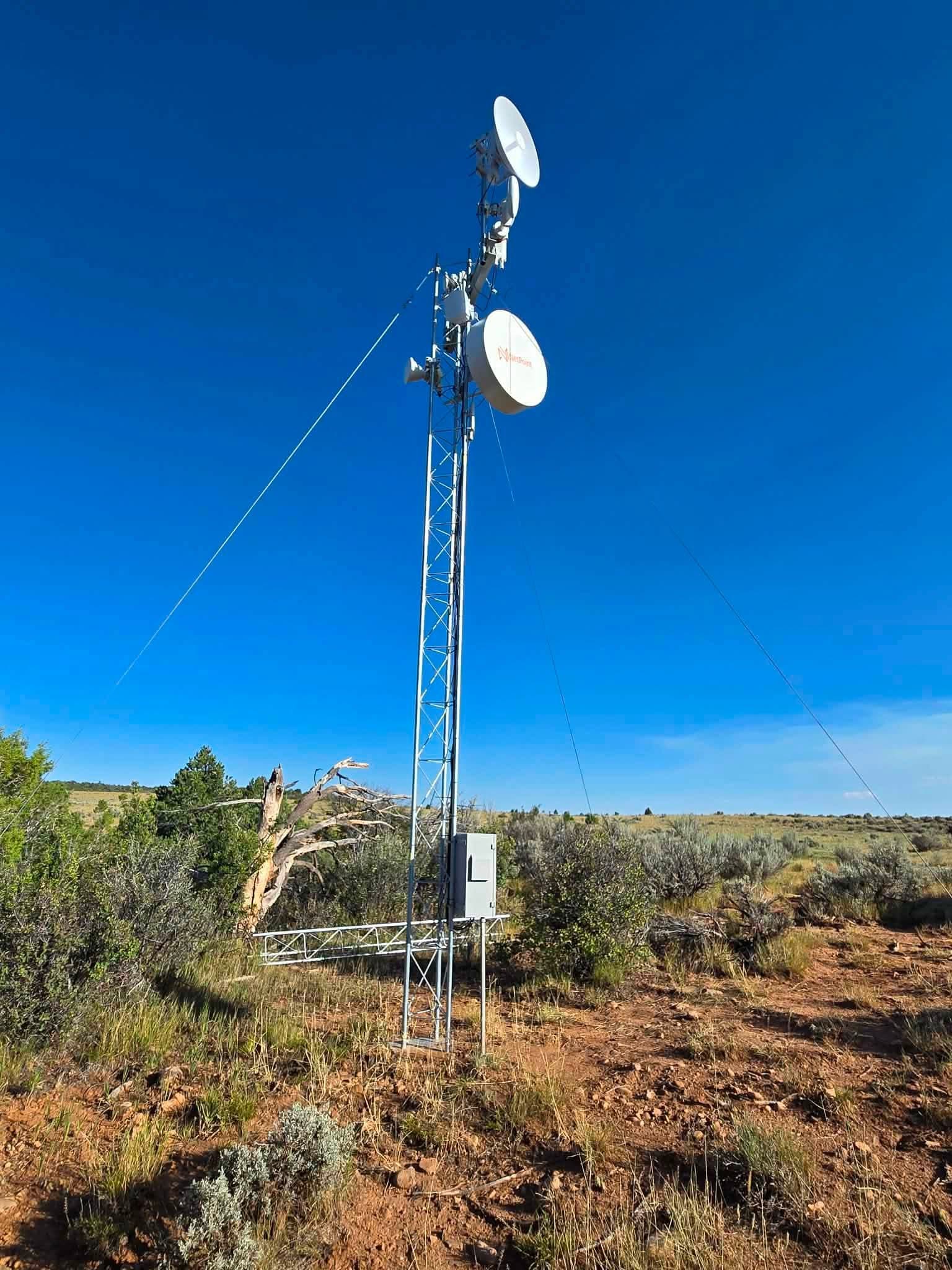
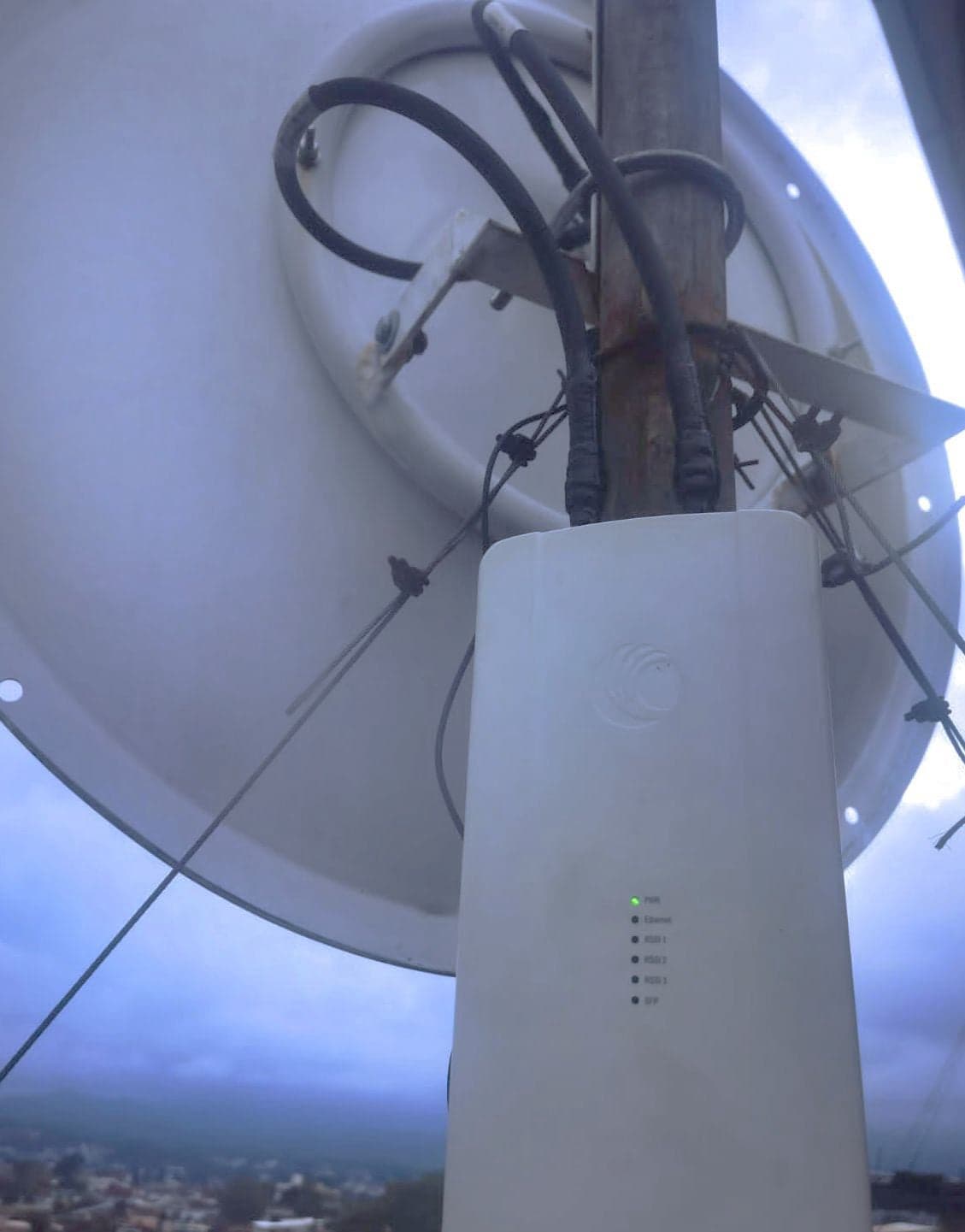
Force 4600c and NP1GEN2 at 28.6 km
One of the biggest challenges for wireless service providers is undoubtedly the saturation in the spectrum that covers about 5.1 to 5.9 GHz for backhaul links. Without a doubt, the technology of the Force 4600c radio and the NP1GEN2 extended range antenna that goes from 4.9 to 6.4 allows establishing acceptable signal levels where the last parts of the band can be used. However, in Chiapas, while waiting for the NP6 antenna, an engineer decided to use the NP1 antenna on frequency 6615 with characteristics that allow stability and high stable modulation, as he achieved here we explain how.
From the implementation of NetPoint and Cambium Networks
Modulation of Force 4600c and NP1GEN2
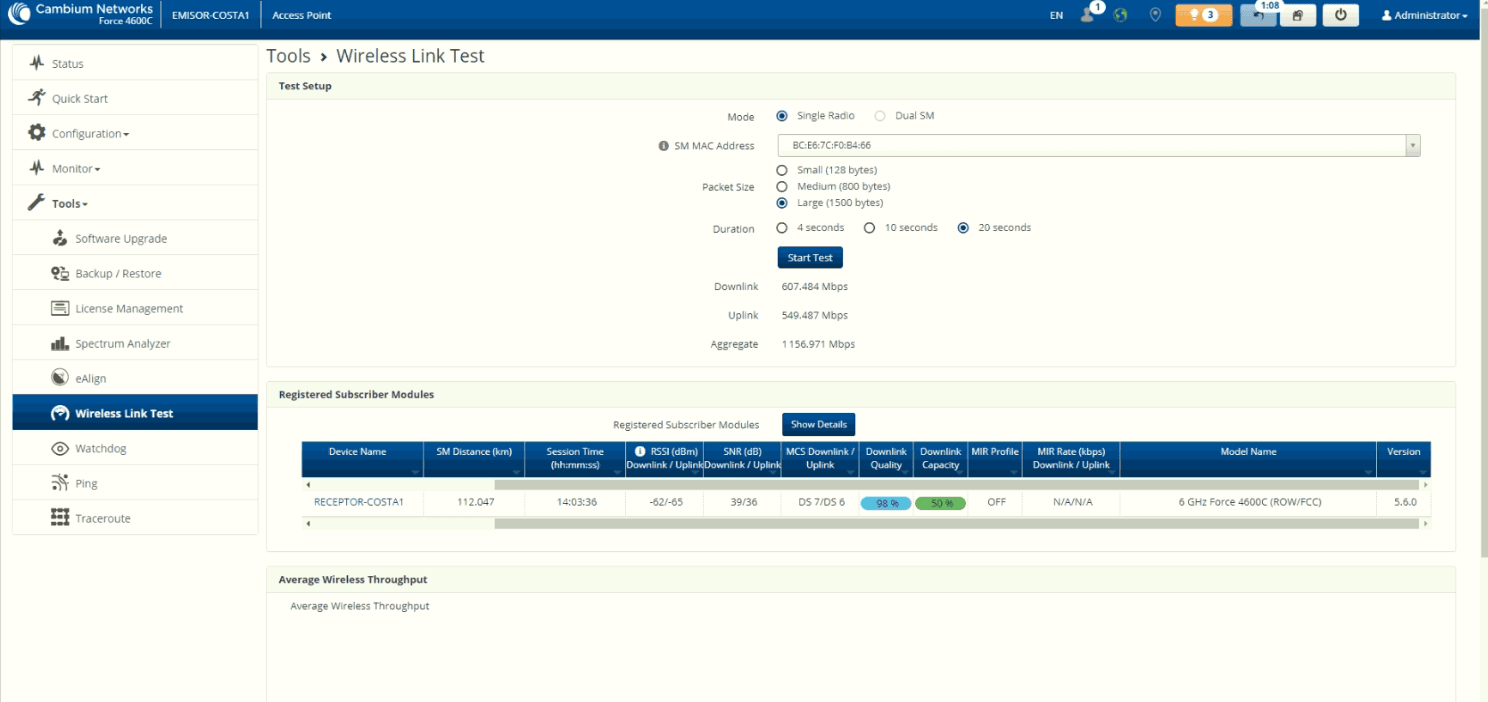
One of the points to highlight in order to obtain good capacity despite a mismatch process that we do not recommend (Using an antenna at an operating frequency that is not supported with stability) is to obtain good alignment values and correct power such as 25 dBm.
Signal Margin for a Stable Link
Regarding the points to highlight, to have a better capacity, it is necessary that this link be replaced by an antenna that can support the range of 6.4 GHz onwards to make the most of the service up to 2 GB in aggregate, however, the radio can be used to provide a better service to the end user as well as establish a backhaul without interference. Point to highlight: 1 single chain at 160 MHz is used.
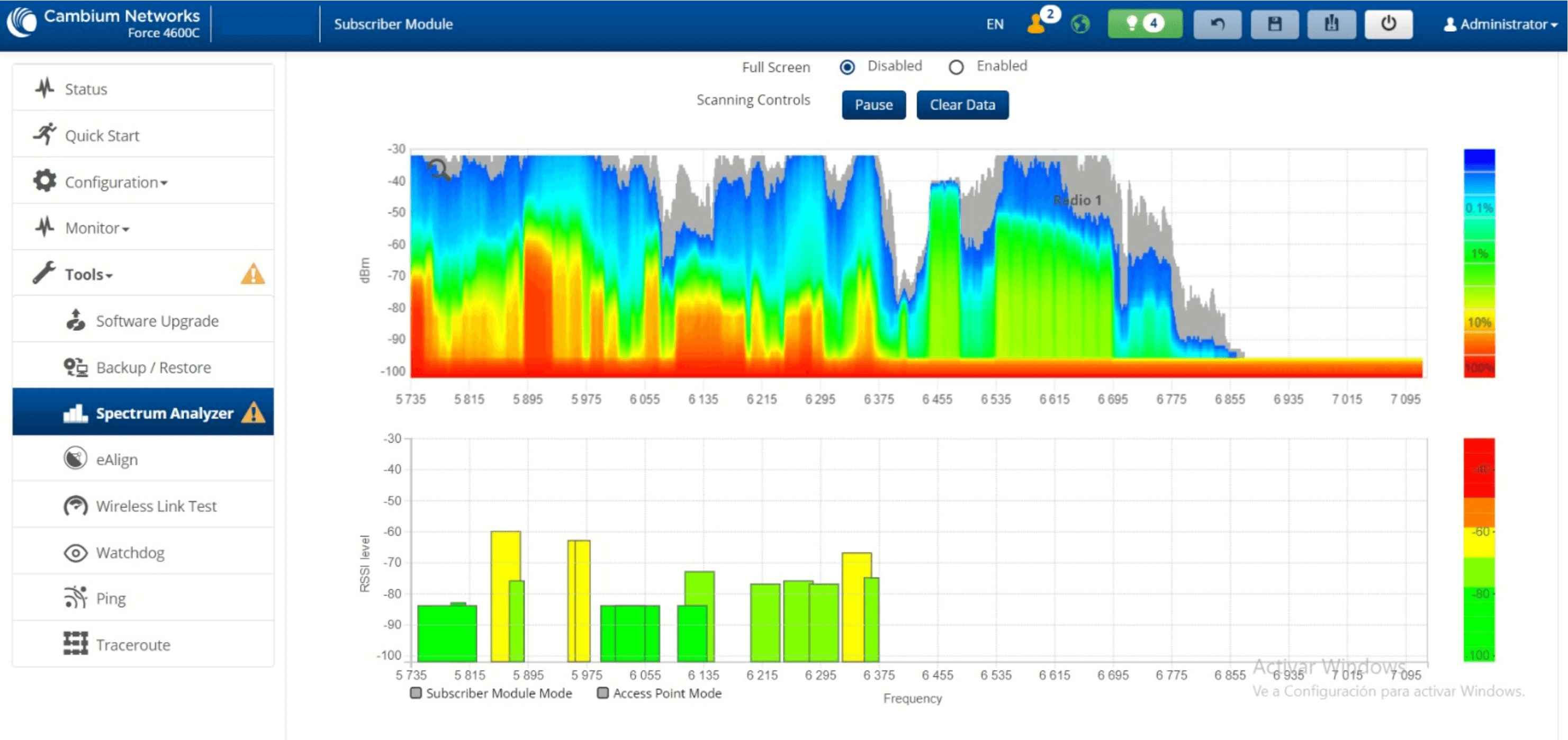
Force 4600C spectrum analyzer (Chiapas)
The Force 4600C Spectrum Analyzer (Subscriber Module mode) covers roughly 5735–7095 MHz. Between 5800–6400 MHz intense occupancy is visible (red/orange tones), with cleaner zones toward higher frequencies above ~6800 MHz.
This explains choosing NP1GEN2 + Force 4600C in Comitán: moving away from 5 GHz interference into the extended 6 GHz spectrum.
- Scan: ~5735 to 7095 MHz
- High occupancy visible ~5800–6400 MHz
- Case distance: 28.6 km (hub)