95 km link and 1 Gb throughput
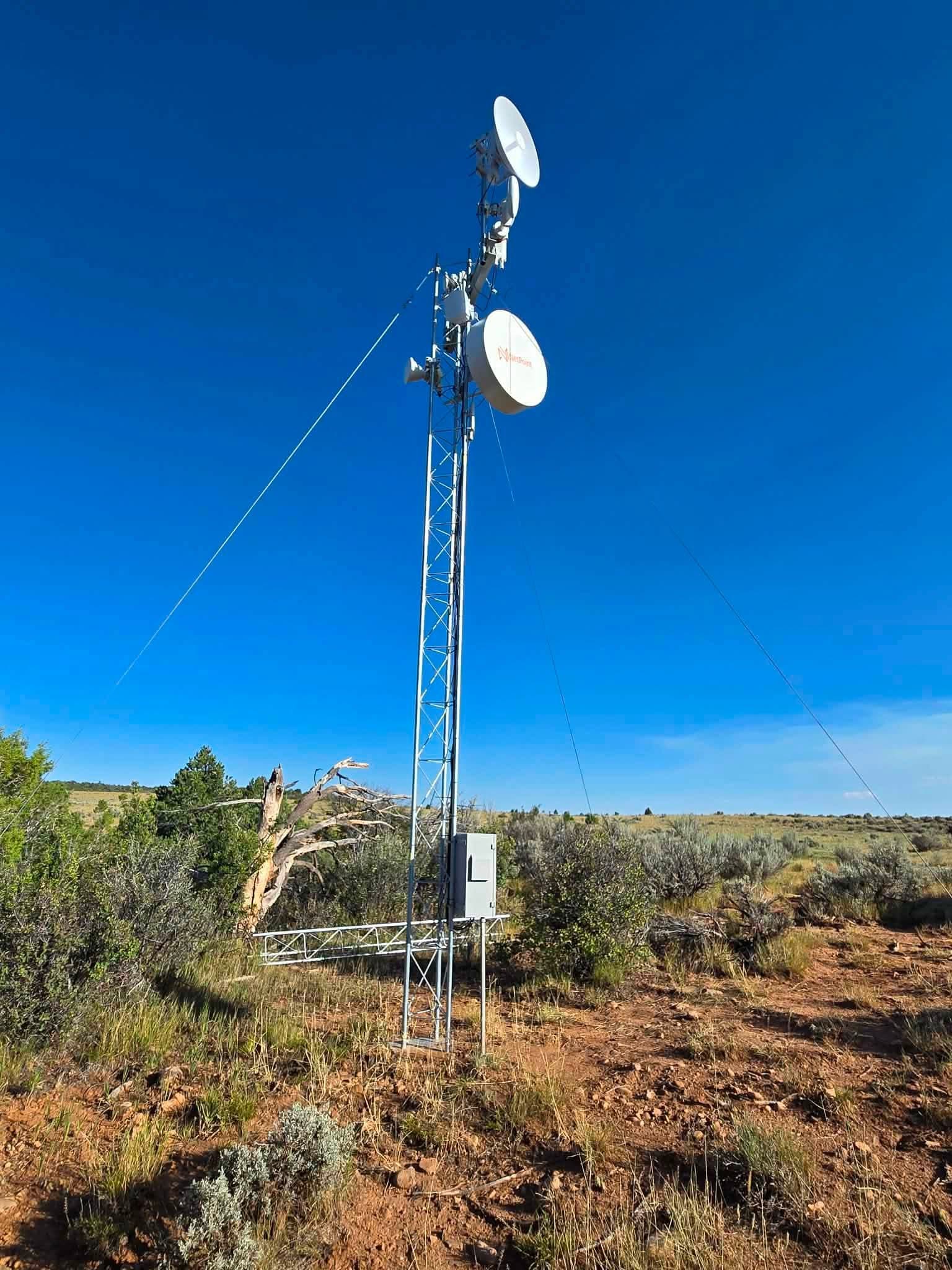
As is well known, there are large internet consumptions in various regions today, as well as different needs that can be mitigated with good bandwidth. On this occasion, a foreign company that was seeking to abandon the latency of its satellite internet decided, through an integrator, to consolidate its telecommunications with applications in IOT, CCTV, and VOIP but with a minimum consumption of 500 Mbps. However, this company is located more than 80 km from any urban settlement from which to take all basic services, so it was decided to install a mimosa B5C radio and some NPTR3 37 dBi Netpoint antennas to face the challenges of distance and losses.
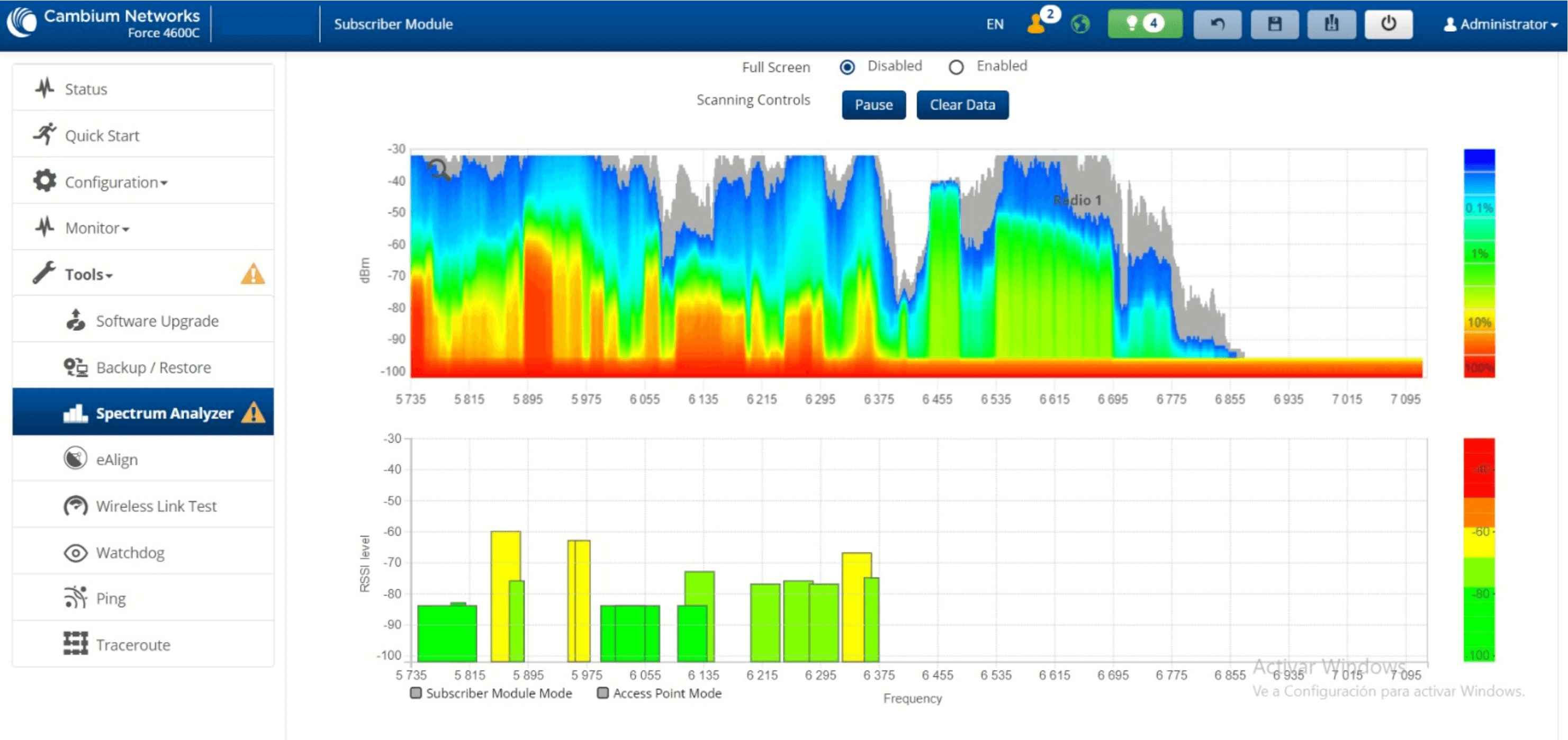
Due to the high-interference level where the Access Point was installed, we obtained the following results with the polarization at 90 °:
- Bad modulation with 2 40 MHz channels
- Modulated only on 1 40 MHz channel
- Low dBm level
- Negative SNR values
- Unstable speeds up to 70 Mbps
- Unstable PHY Tx/Rx (Mbps): 130/195
Factors that make this link unique
- High traffic consumption for a single service: It is clearly possible to imagine the magnitude of such a large company for high data consumption.
- The type of infrastructure that was going to be set up: IoT, CCTV, remote management of machinery, real-time data storage, among others.
- Interference: Yes, there will always be great challenges but here reaching the noise levels that exist is a challenge.
The use of RF interference shielding:
RF interference shielding is the ideal tool to stop hearing the surrounding antennas, however they do not clean the links, but they can highlight the concentration of the antenna beamwidth.
- The 45° slant: Definitely sending the waves in an unusual way helps them arrive with better reception, in addition to making a more stable link without encountering other waves on their way.
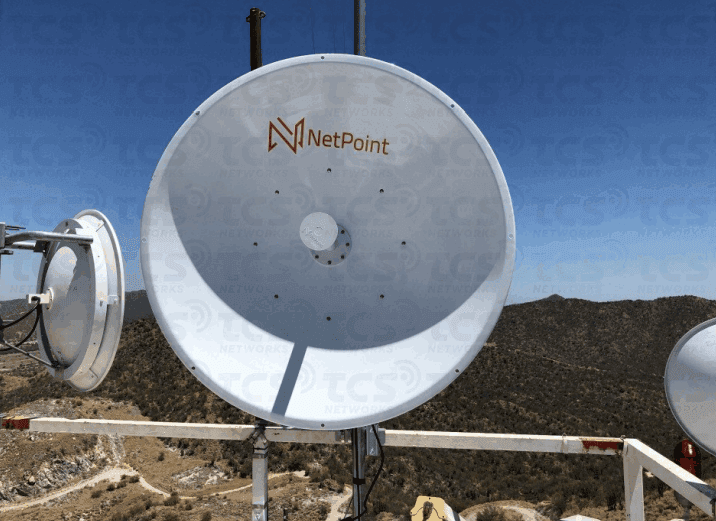
The use of RF interference shielding for NetPoint antennas
To mitigate these levels, they decided to proceed with the installation of the ARNP3 to mitigate interference since in both points of the installation as well as in others around there was a large presence of antennas from external suppliers, which is why they sought to make an antenna even more directive. Another of the factors that make us have better results is the alignment since on these links it becomes more complicated to find the signal since some radios do not have instant synchronization or, as you can say, they have a latency of milliseconds to lock on, which is why the Ubiquiti Rocket M5 radio was used as a recommendation from the installer to carry out this type of pointing and find the central lobe of the NPTR3 antenna.
NetPoint NP3 armor now NPTR3
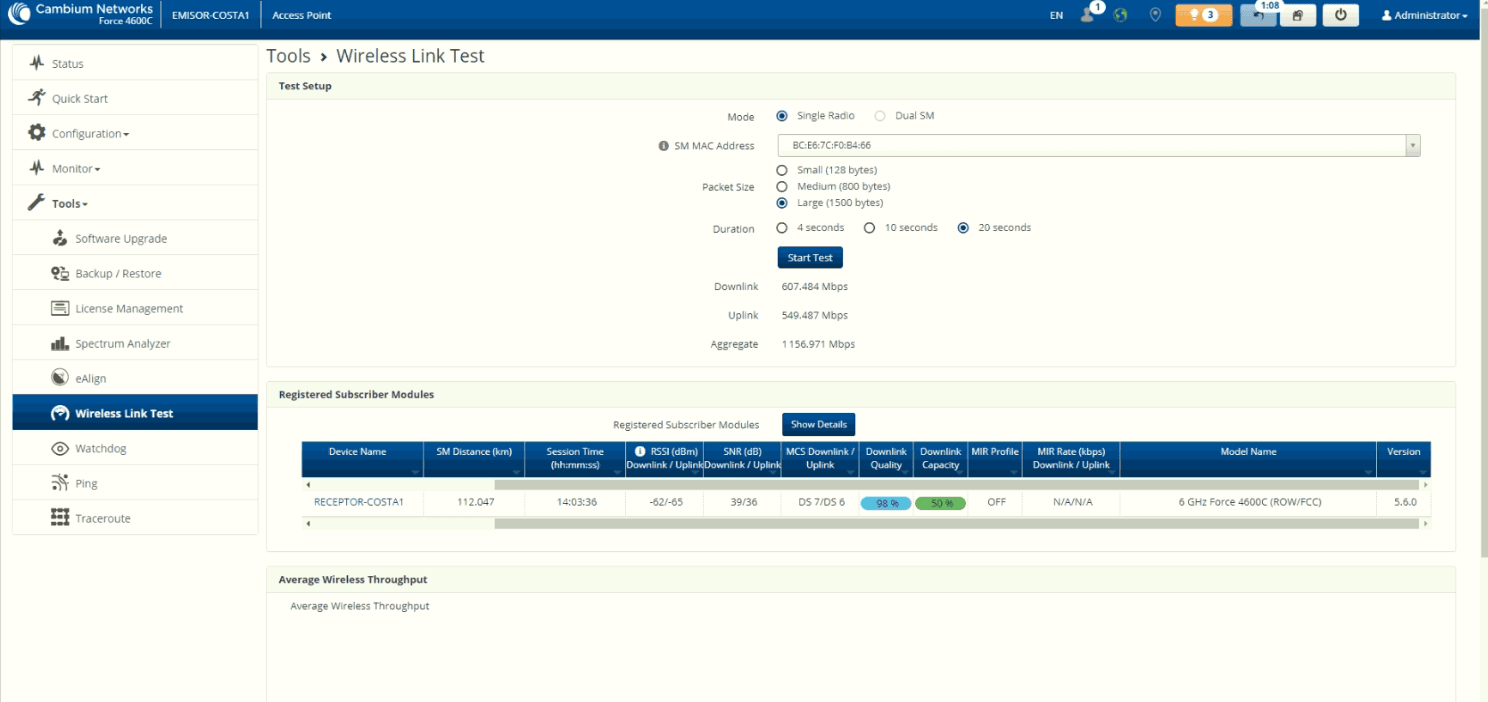
Once the polarization change to 45 degrees was made, we obtained the following improvements:
Slant at 45° on NetPoint Antennas
Conclusions: The selected equipment is of high quality as well as offering full dBi, which is why we will continue using NetPoint as the main passive equipment for BackHaul.
- Better modulation with 2 40 Mhz channels
- Stable speeds up to 379 Mbps
- Better PHY stability Tx/Rx (Mbps): up to 720/720
- Throughput up to 320 Mbps
- Increased dBm gain
- Positive SNR levels