BEAD Program
Win and Deploy BEAD Projects Faster with NetPoint NP6W
Close the digital divide faster with reliable gigabit service at the best cost per passed location. NetPoint NP6W ultra-wideband antennas combine 5 GHz and 6 GHz into a single future-proof dish, natively compatible with market-leading radios to accelerate rollout across fiber interconnects, Tarana backhaul, and last-mile subscriber links.
Deployment-ready with U.S. stock available, Made in Mexico: Tariff-free
Why NP6W
How NetPoint helps you win and deliver BEAD projects
NetPoint’s ultra-wideband antenna family powers bankable 5 GHz and 6 GHz wireless deployments. By delivering maximum gain and tight noise rejection, we lower the cost per location, protect project margins, and show state broadband offices a highly credible, cost-effective route to zero unserved locations.
- 01
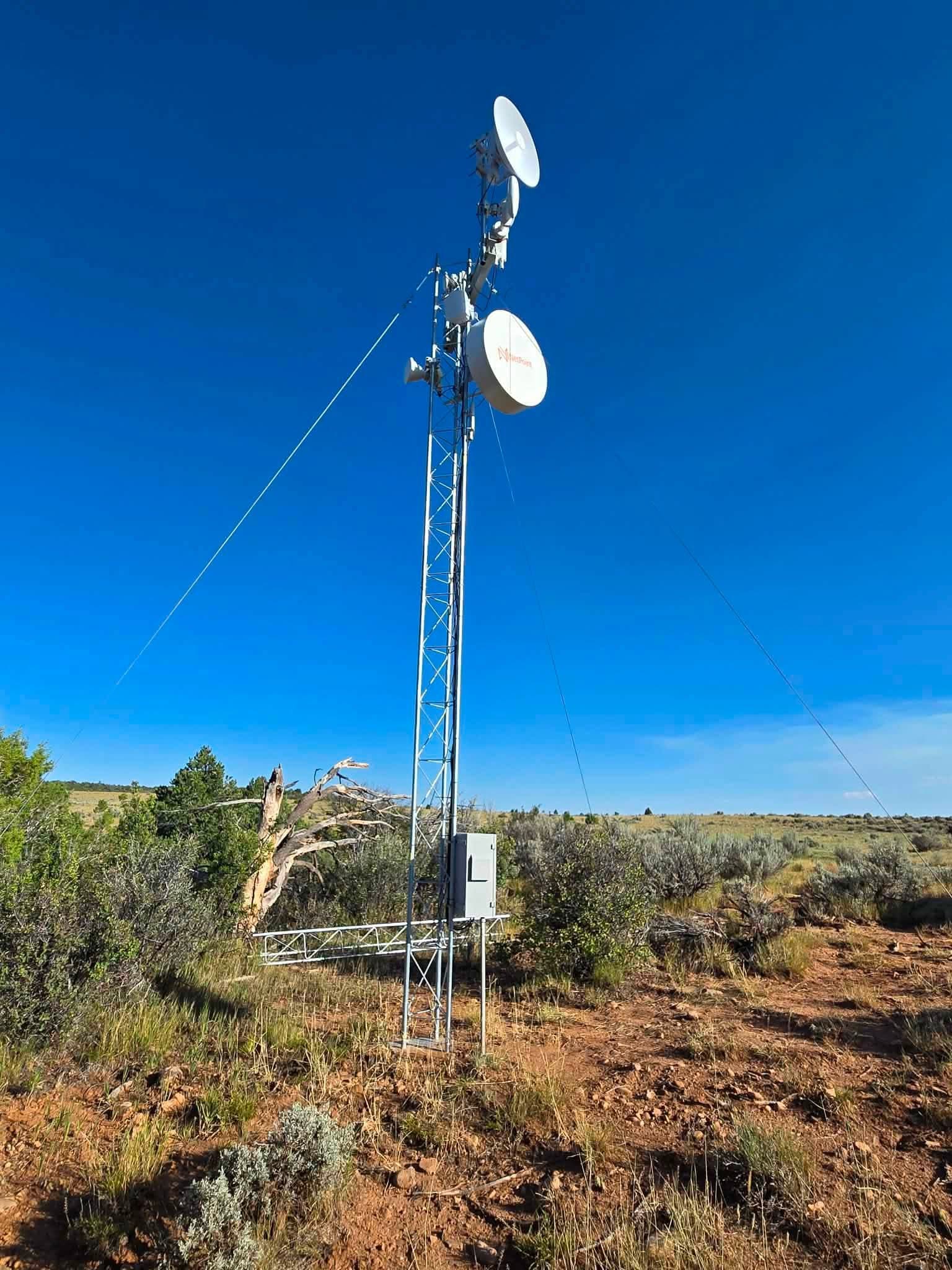
NetPoint NP6W: High Gain Where AFC Caps Power
When 6 GHz AFC limits radio TX power, NetPoint’s superior antenna gain closes the link budget. Featuring a factory-integrated radome for weather immunity and universal mounting adapters for every leading radio brand, our ultra-wideband family keeps your SKU list short, your warehouse lean, and your tower crews moving fast.
- 02
Stronger links
Superior passive gain and tight dual-slant rejection improve SNR on congested spectrum. Unlocking cleaner fade margins over longer hops lets you cover broader territories from every pop, optimize capital expenditure, and maximize your Benefit of the Bargain evaluation.
- 03
One antenna platform for 5 GHz and 6 GHz
One antenna platform for 4.9–7.2 GHz. Specify NP6W once and connect seamlessly to your preferred radio stack from: Ubiquiti and Cambium Networks to Mimosa and MikroTik. Transition from legacy 5 GHz links to 6 GHz capacity on the exact same mount, protecting your capital expenditure and streamlining multi-year BEAD rollouts.
- 04
AFC Optimized Passive Gain: Overcome 6 GHz EIRP limits
guarantee 1000/500+ Mbps SLAs.
Deployment
Where NP6W fits in a BEAD fixed-wireless design
Use NetPoint where wireless creates value: speed-to-serve, hard-to-trench corridors, and backhaul that keeps access radios fed. Typical roles for U.S. builds:
- 01
Middle-mile and PtP backhaul
Tower-to-tower and hub-to-POP trunks that carry aggregated traffic to the fiber handoff. Size NP6W by hop length so capacity and latency stay inside BEAD performance envelopes.
- 02
Last-mile PtP / near-PtMP access
High-gain CPE or cluster links into homes and small businesses when fiber laterals would burn schedule and budget. Ideal for rural and exurban BSL clusters.
- 03
Network densification & upgrades
Replace underperforming dishes on live sites to reclaim SNR, stabilize 100/20 service, and harden footprints your competitors want to overbuild with BEAD dollars.
- 04
Hybrid fiber + wireless footprints
Fiber where density wins; NP6W fixed wireless where time-to-service and cost per location win. One coherent antenna line across both phases of a state award.
Project economics
The ROI of rapid wireless deployment
BEAD is scored on value. Fixed wireless with the right antennas helps you deliver qualifying broadband sooner—and keep more of every location dollar working for your network instead of sitting in the ground.
Time-to-revenue
Every month saved vs. a fiber-only plan is a month of ARPU you can bank. NP6W shortens the RF bill of materials so engineering and installs move in parallel with radio procurement.
Cost per broadband serviceable location
Longer clean hops and higher gain often reduce tower count and radio count. That is the number state offices care about in Benefit of the Bargain rounds—and the number your board cares about after award.
Spares and field efficiency
One ultra-wideband family (1.3 ft to 4 ft) covers most 5/6 GHz connectorized jobs. Fewer SKUs in the warehouse means faster truck rolls and fewer failed climbs.
Spectrum optionality without re-antennizing
Start on 5 GHz, expand into 6 GHz when radios and AFC plans are ready. The dish you hung for award year one still works in year three—protecting the ROI of the first install.
Radio ecosystem
Built for the radios U.S. WISPs already run
NP6W Dual-N antennas pair with connectorized radios across the major fixed-wireless brands. Keep your preferred OEM—or mix by market—while standardizing the antenna layer.
NP6W compatible radio brands
Cambium Networks · Mimosa Networks · Ubiquiti · Radwin · Telrad · LigoWave · Astra Wireless · Zyxel · Proxim Wireless





Where to buy
U.S. distributors that stock NetPoint
Source NP6W through authorized NetPoint distributors featuring immediate U.S. stock, streamlined logistics, and deployment-ready inventory for BEAD buildouts.
ISP Supplies · Flytec Computers · WAV · Epcom · Berkeley Nucleonics · Makro Wisp · Ocean San · Link Techologies INC




NP6W lineup
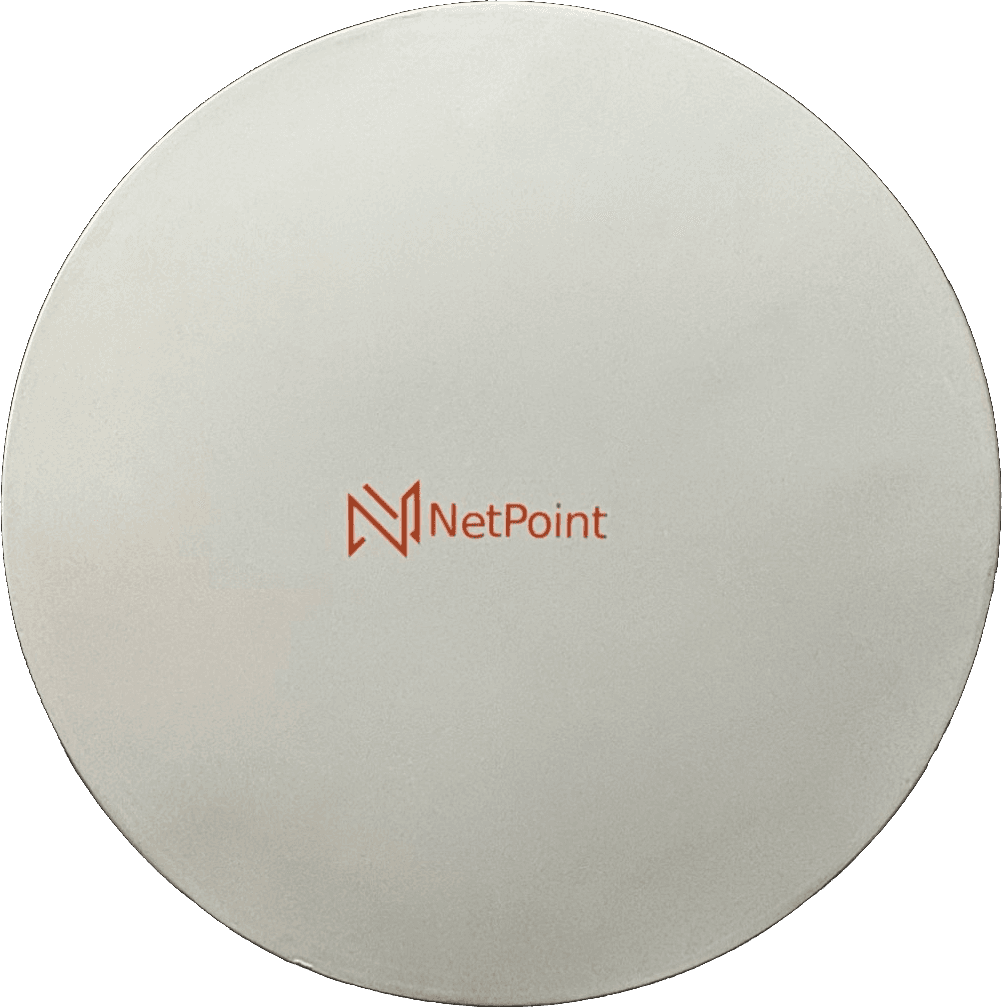
NP6W part numbers for BEAD fixed wireless
Ultra-wideband parabolic antennas (4.9–7.2 GHz), dual slant, Dual-N connectorized for multi-vendor WISP radios. Pick size by hop distance and interference environment—then lock the same family across the project.
How we help
How we work with your team on a BEAD opportunity
NetPoint is your antenna and RF partner—not another radio vendor competing for the same line item. We help you size, specify, and ship NP6W so your BEAD package looks complete and installable.
- 01
1. Scope the wireless footprint
Share target BSLs, tower assets, hop distances, and capacity goals. We recommend NP6W sizes that match your radio plan and interference reality.
- 02
2. Lock the antenna BOM to your radios
We map Dual-N part numbers and jumper kits to Cambium, Mimosa, Ubiquiti, Radwin, Telrad, LigoWave, Astra, Zyxel, Proxim, or mixed fleets—so procurement has one clear antenna list.
- 03
3. Design and document in Pathwave
Iterate PtP designs in NetPoint Pathwave, then export a clean antenna line-item set your engineers, EPC partners, and application teams can reuse.
- 04
4. Quote, pack, and ship into the U.S.
English commercial quotes, packing lists, and export logistics from Guadalajara support integrator and WISP rollouts without surprises on the dock.
NetPoint next to radio BEAD programs
Cambium, Mimosa, and other radio OEMs bring architecture, radios, and often financing. NetPoint brings the high-performance Dual-N dish layer that makes those radios reach farther and stay cleaner. Put NP6W on the BOM whether you standardize on one radio brand or stay multi-OEM—your wireless story gets stronger either way.
BEAD + NetPoint FAQ
What does Benefit of the Bargain mean for fixed wireless?
NTIA’s 2025 restructuring made BEAD technology-neutral. Fiber, licensed and unlicensed fixed wireless, hybrid, and LEO that meet statutory performance can compete. States run a Benefit of the Bargain round focused on delivering qualifying broadband at the best value—commonly lowest cost per location—rather than a fiber-only preference.
Why specify NP6W for BEAD builds?
NP6W is NetPoint’s ultra-wideband Dual-N family (4.9–7.2 GHz). One part-number line covers 5 GHz and 6 GHz connectorized radios, so you deploy faster, stock fewer spares, and keep spectrum flexibility after award without swapping every antenna.
Which radio brands work with NP6W?
NP6W is published as compatible with Cambium Networks, Mimosa Networks, Ubiquiti, Radwin, Telrad, LigoWave, Astra Wireless, Zyxel, and Proxim Wireless. Always confirm connector kits and pigtails (N–SMA / N–N / RPSMA) for the exact radio in your BOM.
How does NetPoint improve project ROI?
By shortening time-to-service, reducing the number of sites needed for a clean link budget, and standardizing on one ultra-wideband antenna family. Faster installs mean earlier revenue; fewer towers and SKUs mean a sharper cost-per-location model for BEAD scoring and for your own P&L.
Does NetPoint finance BEAD projects?
NetPoint supplies antennas, RF design support, and commercial packaging. Project financing typically runs through your radio OEM, distributor, or finance partners. We align NP6W quotes and packing lists so they drop cleanly into those packages.
Can NetPoint help with application and RF documentation?
We support antenna selection, Pathwave link design, and datasheets. Interference and capacity narratives for state applications should be owned with your radio OEM and RF engineer of record—NetPoint strengthens the antenna performance layer those narratives rest on.
BEAD rules are set by NTIA and each Eligible Entity (state/territory). NetPoint does not award grants. Confirm current state guidance, performance requirements, and deadlines with your broadband office and counsel.